If you feel like your energy never fully “recharges” no matter how much you rest, you’re not alone—and you’re not imagining it. From a functional medicine perspective, this often points to a stressed-out HPA axis, the communication loop between your brain and adrenal glands that manages cortisol rhythms, energy, and stress resilience.
When this system gets overwhelmed, symptoms show up: fatigue, brain fog, anxiety, poor sleep, irritability, low mood, or that “wired but tired” feeling. Adaptogens aren’t cure-alls, but they can be gentle, supportive herbs and mushrooms to help smooth out stress responses while you work on the bigger foundations—blood sugar balance, sleep, digestion, micronutrients, nervous system support, and emotional regulation.
Here’s a simple, functional-medicine-guided look at a few adaptogens and when they might fit into your day.
Ashwagandha (Withania somnifera)
Energetic profile: Grounding, calming, nourishing
Traditional use: Ayurveda
Primary supportive areas: Stress resilience, mood, sleep quality, muscle recovery
Ashwagandha is one of the most well-researched adaptogens, known for its ability to help balance a stress response that’s overactive. People often reach for it when they feel:
- anxious, restless, or easily startled
- “tired but wired” at night
- mentally overstimulated
- unable to fully relax into sleep
- depleted from long-term stress
In functional medicine language, ashwagandha tends to support those with difficulty downshifting, helping encourage a smoother evening cortisol pattern. It also pairs well with clients working on:
- sleep hygiene
- nervous system regulation
- emotional grounding
- perimenopausal stress shifts
- post-stress recovery
Best time: Evening or later in the day.
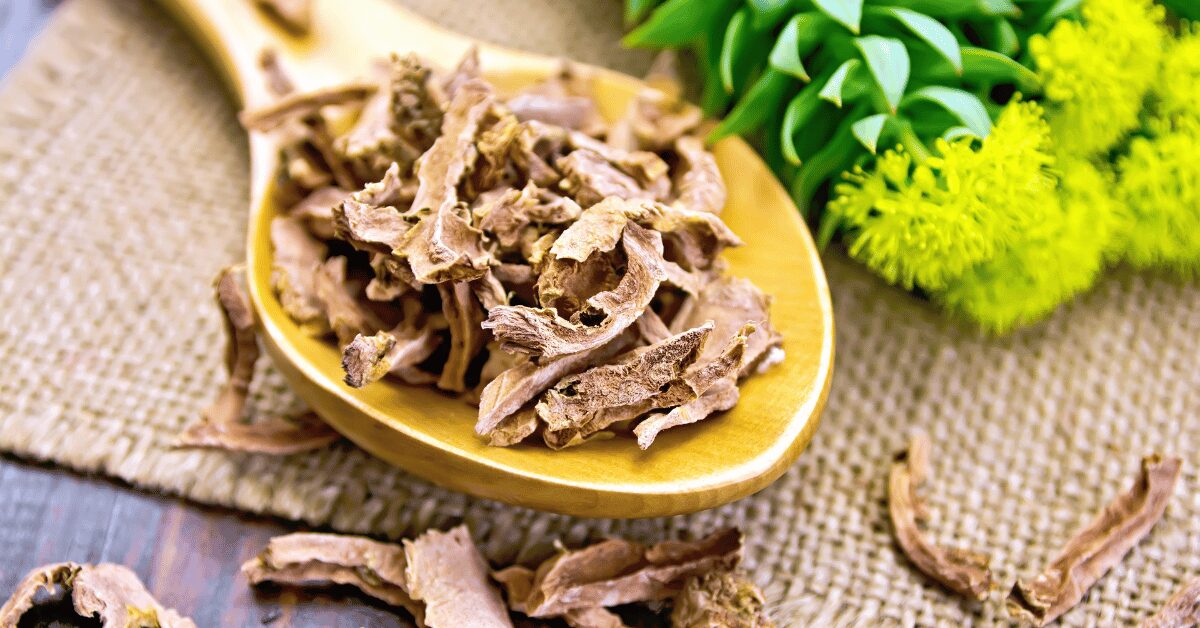
Rhodiola Rosea
Energetic profile: Stimulating, uplifting, clarifying
Traditional use: Traditional Chinese Medicine & Scandinavian herbalism
Primary supportive areas: Energy, motivation, cognitive endurance, stress recovery
Rhodiola tends to be more activating than many other adaptogens. People often resonate with it when they feel:
- sluggish in the morning
- mentally foggy or unfocused
- low motivation
- depleted from chronic stress
- needing support for endurance (physical or mental)
In functional medicine, Rhodiola is often considered when someone’s stress response feels flat or under-responsive, especially in the morning. It may help improve the perception of energy, clarity, and task initiation.
It pairs well with:
Best time: Morning or early afternoon.
Reishi Mushroom (Ganoderma lucidum)
Energetic profile: Grounding, calming, deeply restorative
Traditional use: Traditional Chinese Medicine, often called the “Mushroom of Immortality”
Primary supportive areas: Immune modulation, stress resilience, calm, restorative sleep
Reishi is a beautiful choice when the nervous system needs steadiness. People often gravitate toward it when they feel:
- stuck in “fight or flight”
- chronically tense or inflamed
- trouble transitioning from day to evening
- immune system “fragile” or easily overwhelmed
- depleted but unable to rest
In functional medicine, Reishi often fits when we want to help support parasympathetic activation and deep restoration. It can be a gentle companion during:
- post-stress recovery
- times of immune strain
- perimenopause or hormonal stress
- phases of chronic tension or poor sleep
Best time: Evening or before bed.
Holy Basil (Tulsi)
Energetic profile: Light, uplifting, clarifying
Traditional use: Ayurveda, sacred plant used for spiritual grounding
Primary supportive areas: Emotional balance, stress resilience, focus, mood clarity
Tulsi is a lovely daily adaptogen—gentle but impactful. People often use it when they feel:
- emotionally overwhelmed
- mentally scattered
- affected by daily stress or irritability
- in need of a calmer, clearer baseline
In functional medicine, Tulsi is often used when stress shows up emotionally or cognitively, not just physically. It pairs well with:
- mindfulness or breathwork routines
- morning rituals
- daytime stress support
- mood stabilization practices
Best time: Morning or mid-day (tea, tincture, or capsule).
Maca Root (Lepidium meyenii)
Energetic profile: Stabilizing, building, vitality-enhancing
Traditional use: Indigenous Andean medicine
Primary supportive areas: Mood, stamina, vitality support
Maca isn’t technically an adaptogen by strict herbal classification, but it behaves like one for many people. It offers a gentle lift, especially for those feeling:
- emotionally flat
- low vitality
- depleted from long-term stress
- needing help rebuilding energy or libido
- hormonally “off” from stress shifts
In functional medicine, Maca is often considered for clients looking to support daily energy, mood, and resilience in a steady, food-like way. It blends beautifully into:
- morning smoothies
- warm drinks
- oatmeal or chia bowls
Best time: Morning.
Test, Don’t Guess
Adaptogens can absolutely help—but if you’ve been under significant stress, or you’re dealing with multiple symptoms, inconsistent energy, or feel like you’re stuck in a cycle of burnout, it’s important to understand what’s really happening under the surface.
In functional medicine, we always come back to this principle:
Don’t guess your way through stress recovery—test it.
Your cortisol rhythm, adrenal output, and energy patterns can look very different from someone else’s, and the right support often depends on what’s actually going on physiologically.
That’s why I offer my Energy & Adrenal Optimization Lab Panel—so you can get clear, personalized insight into what your body needs most. Get the details here.
Testing helps you:
- understand your true stress/adrenal pattern
- avoid taking adaptogens that aren’t a match for your physiology
- follow a plan that’s actually tailored to your body
- rebuild energy from the root—not just manage symptoms
Ready to Take the Next Step?
To truly support your stress recovery, it helps to understand where you are on the stress and adrenal fatigue spectrum. That’s why we created a quick, insightful tool just for you.
Take our free 3-minute Adrenal Quiz
and uncover what your body is really asking for—plus guidance on the kind of support that can help you feel balanced again.
When you complete the quiz, you’ll receive:
✅ A personalized 7-page recovery plan tailored to your adrenal fatigue stage
✅ Insights into your unique stress response and energy patterns
✅ Clear, actionable steps to restore your energy, focus, and resilience
👉 Take the Adrenal Quiz here and start your healing journey today.

Wired, Tired, or Just Hanging On?
Take our 3-minute quiz to discover your adrenal fatigue stage — and get a personalized 7-page plan to help you recover your energy, focus, and resilience.