

Hormones are your body’s chemical messengers—powerful, precise, and deeply interconnected. When they’re in balance, men feel energetic, clear-headed, strong, and motivated. When they’re not, the early signs are often subtle: a little more stubborn belly fat, changes in mood, slower workout recovery, or shifts in libido and sleep.
In functional medicine, we look at hormones not as isolated numbers on a lab report, but as members of a complex ecosystem. Here are the five key hormones every man should know—and how to naturally support optimal levels.
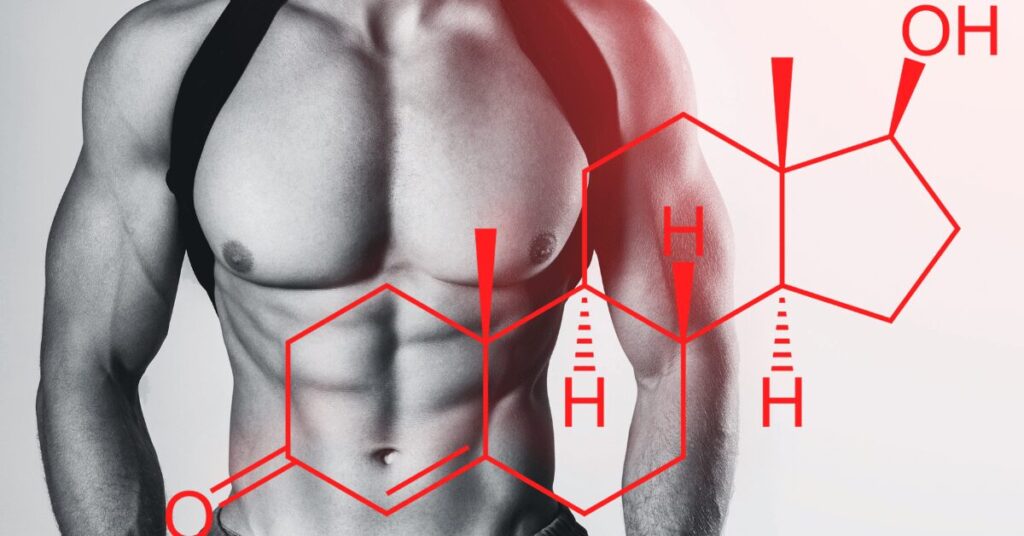
1. Testosterone: The Vitality Hormone
What it does:
Testosterone is central to strength, muscle mass, motivation, libido, cognition, bone density, and overall vitality.
Signs of imbalance may include:
Low energy, decreased libido, mood changes, reduced muscle mass, and difficulty losing fat.
How testosterone connects to other hormones:
- High cortisol suppresses testosterone production.
- Insulin resistance can reduce testosterone and increase conversion to estrogen.
- Thyroid dysfunction lowers testosterone synthesis and availability.
Natural ways to support healthy levels:
- Prioritize consistent strength training with progressive overload.
- Eat adequate protein and healthy fats (cholesterol is a hormone precursor).
- Get 7–9 hours of quality sleep—deep sleep is key for testosterone production.
- Reduce alcohol intake; even moderate amounts can suppress T levels.
- Support metabolic health with stable blood sugar balance.
2. Cortisol: The Stress Thermostat
What it does:
Cortisol helps regulate energy, blood sugar, inflammation, and the body’s stress response.
Signs of imbalance:
Fatigue, abdominal fat gain, cravings, sleep disruption, irritability, or feeling “tired but wired.”
How cortisol interacts:
- Chronically high cortisol suppresses testosterone and thyroid function.
- Dysregulated cortisol can disrupt insulin sensitivity.
- Low DHEA often accompanies chronic stress.
Natural support strategies:
- Build in daily stress-recovery practices (breathwork, meditation, nature exposure).
- Maintain consistent sleep/wake times for circadian rhythm stability.
- Avoid high-stimulus workouts when already over-stressed; incorporate walking and zone-2 cardio.
- Ensure adequate mineral intake—magnesium in particular supports cortisol regulation.

3. Insulin: The Blood Sugar Regulator
What it does:
Insulin moves glucose into cells for energy. Balanced insulin keeps energy stable, supports fat metabolism, and protects cardiovascular and cognitive health.
Signs of imbalance:
Cravings, energy crashes, belly fat, elevated fasting glucose or HbA1c, brain fog.
How insulin connects to other hormones:
- Insulin resistance increases inflammation and reduces testosterone production.
- High insulin disrupts thyroid hormone conversion (T4 → T3).
- Elevated cortisol raises blood sugar, forcing the pancreas to release more insulin.
Natural support strategies:
- Eat balanced meals with protein, fiber, and healthy fats.
- Prioritize resistance training, which increases insulin sensitivity.
- Reduce refined carbohydrates and added sugars.
- Consider time-restricted eating if appropriate for your lifestyle.
- Aim for post-meal movement (a 10–15 minute walk is enough).

4. Thyroid Hormones: The Metabolic Engine
What they do:
Thyroid hormones control metabolic rate, temperature regulation, energy production, and cognitive function.
Signs of imbalance:
Fatigue, cold intolerance, weight changes, constipation, dry skin, and slower recovery.
How thyroid hormones interact:
- Stress and high cortisol can reduce active thyroid hormone (T3).
- Insulin resistance can impair thyroid hormone conversion.
- Low testosterone can worsen symptoms of low thyroid function.
Natural support strategies:
- Ensure adequate intake of key nutrients: iodine, selenium, zinc, and tyrosine.
- Support gut health—20% of T4 → T3 conversion happens in the gut.
- Reduce chronic dieting; under-eating slows thyroid output.
- Prioritize blood sugar balance to support optimal conversion.

5. DHEA: The Resilience Hormone
What it does:
DHEA (dehydroepiandrosterone) is a precursor to testosterone and estrogen and plays a role in energy, mood, immunity, and stress resilience.
Signs of imbalance:
Fatigue, low mood, decreased stamina, poor stress tolerance, or lower libido.
How DHEA connects to other hormones:
- Chronic stress depletes DHEA because the body prioritizes cortisol production.
- Adequate DHEA supports balanced testosterone levels.
- DHEA interacts with immune and inflammatory pathways.
Natural support strategies:
- Engage in regular physical activity—not too much, not too little.
- Ensure restorative sleep to support adrenal health.
- Practice stress reduction techniques to prevent “adrenal steal.”
- Maintain healthy intake of omega-3s and anti-inflammatory foods.
The Big Picture: Hormones Work as a Team
Hormones never operate in isolation. Improving one often improves the others. Likewise, chronic stress, poor sleep, and blood sugar dysregulation are three of the fastest ways to tip this hormonal ecosystem out of balance.
Foundational pillars for men’s hormonal health:
- Sleep: The most underappreciated endocrine therapy.
- Protein: Supports muscle, insulin balance, and hormone synthesis.
- Strength training: Improves every hormone discussed above.
- Stress regulation: Protects testosterone, thyroid, and DHEA.
- Blood sugar balance: Reduces inflammation and supports mood and energy.
Optimize the fundamentals, and the hormonal system often recalibrates more effectively than most men expect.
Ready to See Where Your Hormones Stand?
If you’re wondering how your own hormone rhythms are functioning — and whether stress, sleep loss, or lifestyle shifts might be throwing things off — here’s an easy next step.
👉 Take the “How Balanced Are Your Hormones?” Quiz here »
You’ll receive a free, personalized 13-page hormone report that explores eight key hormone systems through a functional medicine lens, including:
✅ A snapshot of your current hormone balance
✅ Insights into your energy, mood, sleep, metabolism, and reproductive health
✅ Functional medicine–based guidance to help you begin rebalancing naturally
Think of it as your roadmap back to alignment — helping you understand your body’s signals, restore hormonal harmony, and feel more clear, steady, and strong from the inside out.
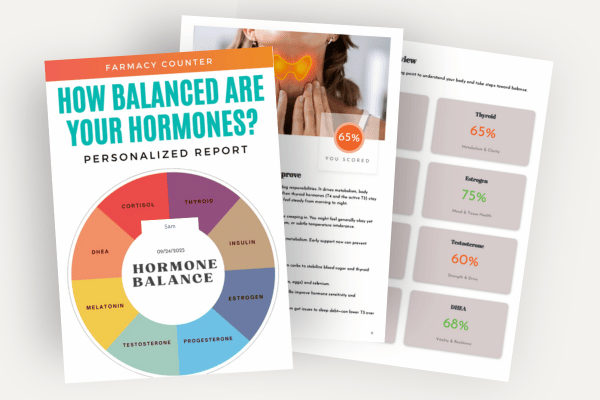
How Balanced are Your Hormones?
Take our 3-minute quiz to discover your unique hormone balance—and get a personalized 13-page report with insights and actionable steps to support energy, mood, sleep, metabolism, and reproductive health.