

When most people talk about gut health, they picture a one-size-fits-all digestive system. But in functional medicine, we know that male biology, hormones, stress patterns, and lifestyle habits create a very specific gut-health profile.
In fact, the male microbiome has its own rhythm — and understanding those differences can help men optimize energy, mood, metabolism, muscle, and overall resilience.
Let’s break down what makes men’s gut health unique and why so many men struggle with digestion without realizing the root cause is deeper than food.
1. How Men’s Stress Response Shapes the Microbiome
Men and women experience stress differently.
Not emotionally — biologically.
Men default more strongly into “fight-or-flight.”
This sympathetic surge:
- Redirects blood flow away from digestion
- Slows motility (leading to constipation or incomplete digestion)
- Alters stomach acid levels
- Increases gut permeability
The HPA-Gut Axis Connection
When stress hits, the hypothalamus-pituitary-adrenal (HPA) axis releases cortisol. Chronic elevation creates a cascade:
- Disrupted microbiome balance and reduced bacterial diversity
- Increased systemic inflammation
- Weakened gut barrier integrity
- Depleted secretory IgA (your gut’s first-line immune defense)
Here’s what many men don’t realize: these physiological changes rarely present as “stress.” Instead, they show up as:
- Afternoon fatigue
- Indigestion
- Tightness in the stomach
- Bloating after meals
- Irregular bowel habits
- More irritability or mental fog
These aren’t character flaws or minor inconveniences. They’re gut-mediated stress signals your body is sending upstream.

2. Hormones Create a Different Microbiome Environment in Men
Hormones influence gut function more than most people realize.
Testosterone’s Role
Optimal testosterone levels:
- Build and maintain lean muscle mass, which stabilizes blood sugar
- Reduce inflammatory pathways
- Support metabolic flexibility and fat burning
When testosterone drops (from stress, poor sleep, alcohol, or inflammation), men often see gut shifts:
- Slower metabolism
- Increased bloating
- More sugar cravings
- Changes in bowel regularity
- Higher visceral fat (which itself produces inflammatory cytokines that worsen gut function)
Estrogen also matters — even in men.
Men produce estrogen through a process called aromatization. When gut dysbiosis occurs, the bacterial enzyme beta-glucuronidase can increase, causing estrogen to recirculate rather than be eliminated.
The result?
- Stubborn weight gain around the midsection
- Mood instability
- Energy crashes
- In some cases, gynecomastia (breast tissue development)
The gut-hormone relationship is bidirectional. Optimizing gut health supports hormonal balance, and balanced hormones create a healthier gut environment. You can’t fix one without addressing the other.

3. Inflammation: Why Men Experience It Differently
Research consistently shows that men produce higher levels of inflammatory cytokines under chronic stress. This stronger inflammatory response directly impacts:
- Gut permeability
- Bloating
- Immune reactivity
- IBS-like symptoms
- Food sensitivities
Inflammation also interferes with satiety signaling, which drives overeating—particularly in the evening hours.
This creates a self-perpetuating cycle: inflammation triggers gut imbalance, which generates more inflammation, which further destabilizes the microbiome.

4. Lifestyle Patterns Common in Men That Strain Gut Health
Many gut symptoms men experience stem less from “bad foods” and more from the patterns surrounding meals, stress management, sleep quality, and movement habits.
Here are the most common root causes in male patients:
Eating too fast or on the go — Poorly chewed food creates an immediate digestive burden, leading to gas and bloating.
High caffeine intake with minimal breakfast — Black coffee on an empty stomach spikes cortisol, disrupts motility, reduces stomach acid production, and irritates the gut lining.
High-protein diets without adequate fiber — Protein builds muscle, but without fiber diversity, microbiome richness plummets. Constipation and bloating become chronic companions.
Regular alcohol consumption — Beer, bourbon, and weekend drinking disrupt gut barrier integrity, impair liver detoxification, destabilize microbiome populations, and suppress testosterone production.
Overtraining without proper recovery — Intense training increases gut permeability and systemic inflammation when recovery protocols are inadequate.
Extended sedentary periods — Sitting for long hours slows motility and increases intra-abdominal pressure.
Internalized stress — Men often suppress emotional expression, but the body still responds physiologically. The gut tightens, digestion slows, and inflammation rises.

5. Red Flags Men Typically Ignore
Men frequently downplay symptoms, but these are red flags worth noticing:
- Bloating (especially at night)
- Afternoon fatigue
- Constipation or inconsistent bowels
- Reflux or indigestion
- Feeling “puffy”
- Trouble losing fat despite training
- Low motivation or brain fog
- Poor stress tolerance
- Muscle soreness that lasts too long
- Skin issues (acne, rosacea, dryness)
- Increased irritability
In functional medicine, these symptoms often point to:
- Dysbiosis
- Low stomach acid
- Gut permeability
- HPA axis dysregulation
- Subclinical inflammation
- Poor detoxification

6. Supporting the Male Microbiome: Foundational Strategies
These aren’t one-size-fits-all treatments—but foundational principles that reliably support men:
1. Build a Microbiome-Optimized Plate
Every meal should include:
Quality protein for muscle and satiety
Colorful vegetables for polyphenols and fiber
Healthy fats for hormone production
Fermented foods if tolerated (sauerkraut, kimchi, kefir)
Diverse fiber sources (not just one type)
2. Prioritize Resistance Training + Daily Movement
Strength training and consistent movement throughout the day improve gut motility and regulate stress hormones.
3. Recalibrate Your Stress Response
Intentional practices like breathwork, cold exposure, sauna sessions, and genuine downtime help reset the HPA axis.
4. Optimize Digestion Mechanics
- Eat slowly and deliberately
- Chew food thoroughly
- Avoid drinking large amounts of water during meals
- Never eat while stressed or rushed
5. Support sleep
Men need deep sleep for:
- Testosterone
- Gut repair
- Inflammatory regulation
6. Reduce alcohol on weekdays
Your gut and liver need recovery time.
7. Test—don’t guess
Comprehensive stool testing, breath tests for SIBO, and hormone panels reveal what’s actually happening beneath the surface—not what you assume is happening.
The Bottom Line
The male microbiome is shaped by hormones, stress physiology, lifestyle patterns, and metabolism.
When men understand these differences — and how their daily habits impact the gut — they gain a powerful roadmap for better energy, digestion, mood, and hormone balance.
Gut health isn’t just about avoiding bloating.
It’s about building a system that supports strength, resilience, and long-term vitality.
Ready to Take the Next Step?
If symptoms like low energy, mood swings, brain fog, cravings, or digestive discomfort feel like your “new normal,” your gut may be trying to tell you something.
Understanding which type of imbalance you’re dealing with — whether it’s low stomach acid, bacterial overgrowth, or a weakened gut lining — can completely transform your healing approach.
👉 Take the 3-minute “What’s Your Gut Imbalance Type?” Quiz here
and get clarity on what’s actually happening beneath the surface.
You’ll receive a personalized 7-page report with:
✅ Your unique gut imbalance type (and what it means for your symptoms)
✅ Functional medicine-based nutrition + lifestyle strategies tailored to your results
✅ A clear roadmap to start restoring balance, energy, and resilience
This quiz is more than a starting point — it’s a step toward reconnecting with your body and reclaiming your vitality.
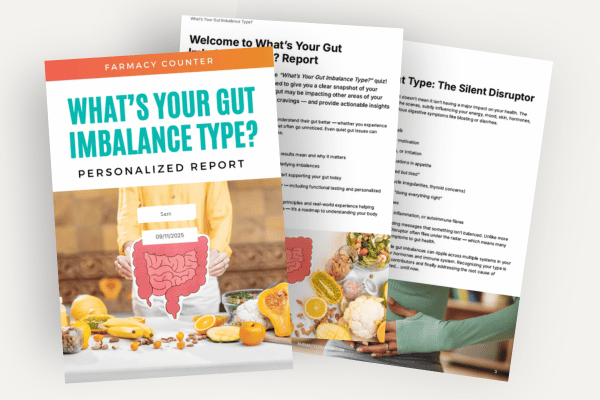
What’s Your Gut Imbalance Type?
Take our 3-minute quiz to discover your unique gut type — and get a personalized 7-page report with insights and actionable steps to support digestion, energy, mood, and overall gut health.