

Most men think stress is something they can “push through.”
But behind the scenes, chronic stress is changing your physiology—especially your hormones. If you’ve been feeling unmotivated, fatigued, or not quite yourself, there’s a good chance your stress response system is involved.
In functional medicine, we look at how stress hormones and sex hormones interact through the HPA axis—the communication network between your hypothalamus, pituitary gland, and adrenal glands. When this system becomes imbalanced, it often creates a ripple effect through the entire endocrine system… including testosterone.
Let’s break down why.
The Stress–Testosterone Tug-of-War
Your body prioritizes survival above everything, and to your brain, stress = threat.
When stress is high (physical, emotional, mental, or inflammatory), the adrenals produce more cortisol, your primary stress hormone. This is helpful in short bursts, but under chronic stress, cortisol stays elevated.
And here’s where the tug-of-war begins:
Cortisol and testosterone share precursor hormones.
When the HPA axis senses a stress load, it diverts resources toward making more cortisol. This can reduce the raw materials available for testosterone production in the testes.
High cortisol suppresses the signals that tell the body to make testosterone.
Cortisol blunts the hypothalamic release of GnRH and the pituitary release of LH—the hormone that stimulates testosterone production.
Chronic stress impacts the Leydig cells directly.
Long-term cortisol exposure can reduce these cells’ ability to produce testosterone efficiently.
Inflammation—often a byproduct of stress—lowers testosterone.
Functional medicine recognizes inflammation, gut imbalances, insulin resistance, and nutrient deficiencies as key testosterone suppressors.

⚠️ The HPA Axis: The Control Tower Under Pressure
Chronic stress dysregulates the HPA axis and often shows up as:
- Flattened cortisol curve (low morning energy, wired at night)
- Exaggerated cortisol (tired-but-wired feeling, anxiety)
- Low cortisol output after prolonged burnout
When the HPA axis is out of sync, the endocrine system shifts into conservation mode—not optimization mode.
That’s why men under chronic stress may feel like they’ve “lost their edge.”
Signs of HPA Axis Stress Men Often Miss
Because symptoms creep in slowly, many men chalk them up to aging or being busy, but they’re classic signs of stress disrupting hormone balance:
1. Low motivation or drive
When cortisol stays high, dopamine receptors become less responsive, and testosterone production slows.
2. Decreased libido or performance changes
Testosterone is central to sexual desire and function, so even mild drops make a noticeable impact.
3. Brain fog and poor focus
Stress hormones interfere with the hippocampus and prefrontal cortex—the areas responsible for clarity, memory, and decision-making.
4. Afternoon crashes or “second wind” at night
A cortisol rhythm that’s flipped or flattened often accompanies testosterone imbalance.
5. Reduced muscle mass or difficulty building strength
Testosterone supports protein synthesis; cortisol breaks tissue down.
Chronic stress shifts the ratio toward catabolism.
6. Irritability or feeling “on edge”
High cortisol keeps the body in a sympathetic (fight-or-flight) state.
7. Weight gain—especially around the midsection
Because cortisol increases glucose output and insulin demand.

Functional Medicine Perspective: Why Stress Impacts Men Differently
From a functional approach, there are several layers that make men uniquely affected by stress:
• Blood sugar imbalance amplifies stress signals. High glycemic swings spike cortisol and suppress testosterone.
• Subclinical inflammation pushes the HPA axis harder. Gut dysfunction, food sensitivities, and chronic infections increase physiological stress.
• Overtraining is common in men. Too much high-intensity exercise elevates cortisol and blunts testosterone.
• Sleep is often sacrificed. Men under chronic stress lose restorative deep sleep—the stage where hormone regulation occurs.
• Men tend to underexpress emotional stress. Suppressing emotion still activates the stress response system internally.

Practical Ways Men Can Support Stress & Testosterone Naturally
These aren’t medical treatments—just foundational patterns that support HPA axis resilience and hormone balance:
1. Build a stable blood sugar rhythm
Stable glucose = stable cortisol.
2. Train smarter, not harder
Swap daily HIIT with:
- Strength training
- Zone 2 cardio
- Rest days
- Breathwork to downshift the nervous system post-workout
3. Protect sleep like a non-negotiable supplement
- 10:00–10:30 PM target
- Dark, cool bedroom
- No screens 60 minutes before bed
- Magnesium glycinate or L-theanine (if supported clinically)
4. Reduce inflammation at the root
- Address gut issues
- Support micronutrients (Zn, Mg, vitamin D, omega-3s)
- Evaluate alcohol and ultra-processed foods
5. Use adaptogens mindfully
- Ashwagandha for cortisol regulation
- Rhodiola for energy and focus
- Holy basil for anxious stress
6. Address emotional load
Men benefit from:
- Breathwork
- Somatic practices
- Therapy or coaching
- Actual downtime (not just numbing out)
The Takeaway
Stress and testosterone aren’t separate issues—they’re part of an interconnected system run by the HPA axis. When cortisol rises and stays high, testosterone inevitably falls.
The good news? The body is incredibly adaptive. With the right patterns, testing, and functional support, men can rebuild hormonal resilience, restore energy, increase drive, and feel like themselves again.
Ready to See Where Your Hormones Stand?
If you’re wondering how your hormone rhythms are functioning — and whether stress, sleep loss, or lifestyle shifts might be throwing things off — here’s your next step.
👉 Take the “How Balanced Are Your Hormones?” Quiz »
You’ll receive a free, personalized 13-page hormone report that breaks down eight key hormone systems through a functional medicine lens, including:
✅ A snapshot of your current hormone balance
✅ Insights into your energy, mood, sleep, metabolism, and reproductive health
✅ Functional medicine–based guidance to help you begin rebalancing naturally
Think of it as your roadmap back to alignment — helping you understand your body’s signals, support hormonal harmony, and feel clearer, steadier, and stronger from the inside out.
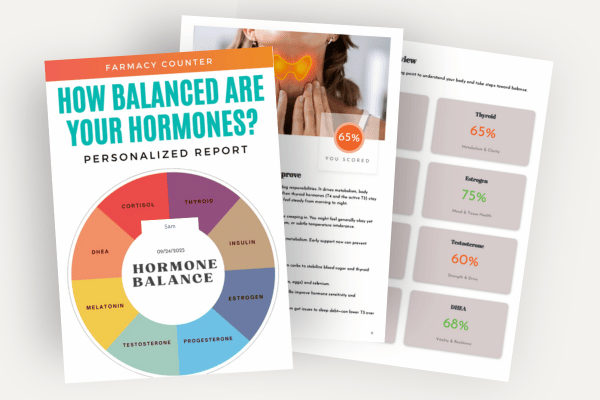
How Balanced are Your Hormones?
Take our 3-minute quiz to discover your unique hormone balance—and get a personalized 13-page report with insights and actionable steps to support energy, mood, sleep, metabolism, and reproductive health.