
Your Oura Ring Readiness Score tells you more than how well you slept — it tells you exactly how hard to train today. A score of 85 or above means your body is primed for intense effort. Below 60 means rest is the most productive thing you can do. This guide breaks down precisely which workout to choose at every score range, based on functional medicine principles and the nine recovery metrics your Oura Ring measures each morning.
👉 Want to try it? Get an Oura Ring on Amazon here.
What Is the Oura Ring?
The Oura Ring is a sleek, screenless wearable packed with sensors that track your sleep, heart rate, HRV, body temperature, and more. Worn on your finger, it provides incredibly precise insights while staying out of the way—perfect for people who want data without distractions.
One of its most powerful features is the Readiness Score, a daily indicator of how prepared your body is for physical or mental exertion.
What Exactly Is the Readiness Score?
The Readiness Score is a 0–100 number calculated each morning based on nine contributors including:
- Resting heart rate
- HRV balance
- Sleep quality
- Body temperature
- Recovery time
- Activity levels (past day and 2-week trend)
A higher score = better recovery and more capacity to train hard.
Score Ranges:
- 85–100: Optimal → Ready for intense workouts.
- 70–84: Good → Moderate to challenging training is okay.
- 60–69: Fair → Focus on recovery; light movement only.
- Below 60: Pay Attention → Time to rest or fully recover.

How to Pick a Workout Based on Your Readiness Score
Let’s translate the score into a daily fitness plan:
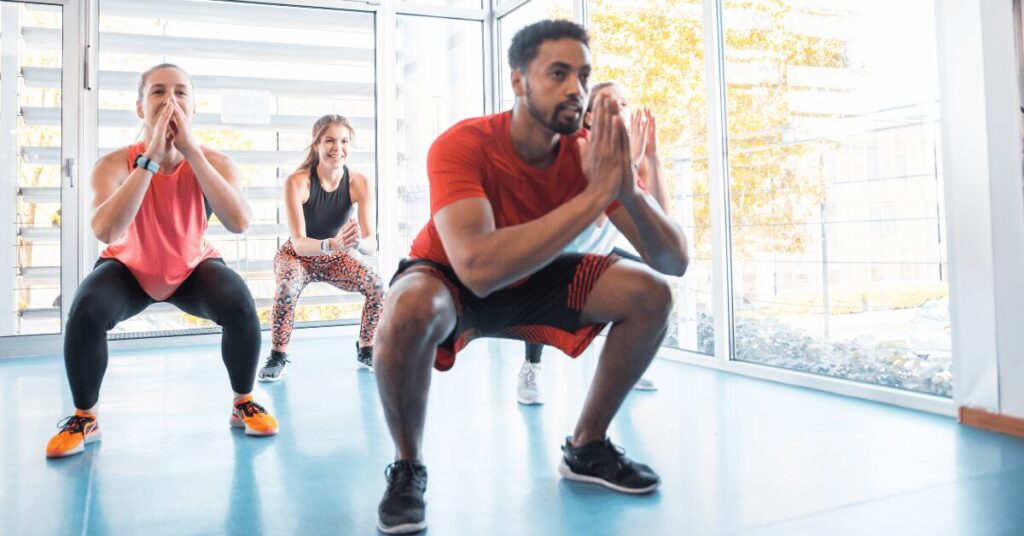
🟢 85–100: Full Green Light
Your body is primed. Recovery markers are strong, HRV is balanced, and sleep was sufficient.
Go for:
- Strength training
- High-intensity interval training (HIIT)
- Long runs or rides
- Performance-based workouts
Tip: This is a great day to challenge yourself and push progress.
🟡 70–84: Proceed with Awareness
You’re doing well, but maybe sleep was slightly off, or you’re carrying a little fatigue.
Go for:
- Steady-state cardio
- Mobility + strength combo workouts
- Moderate resistance training
- Technique drills or skills practice
Tip: Listen to your body mid-session. It’s okay to scale back.

🟠 60–69: Recovery Mode
Your body needs support, not stress. A low HRV or elevated heart rate may be signals to slow down.
Go for:
- Yoga or Pilates
- Walking
- Foam rolling or mobility work
- Breathwork, meditation, or light stretching
Tip: These sessions aren’t “skipping” workouts—they’re strategic recovery.

🔴 Below 60: Take It Easy
Whether it’s stress, illness, sleep debt, or overtraining, your system is under strain.
Go for:
- Active rest or full rest day
- Extra hydration, nutrition, and sleep
- Nervous system regulation (e.g., vagal tone work)
- Recalibration
Tip: Consider enabling “Rest Mode” in the Oura app to avoid activity-based alerts.

Why This Matters for Your Health
Your body isn’t a machine—it needs the right balance between effort and recovery to function at its best. Whether you’re aiming for fat loss, muscle gain, more energy, or simply feeling better day-to-day, the Oura Ring helps you train smarter—not just harder.
By tuning into your Readiness Score, you’re able to:
- Avoid overtraining or burnout
- Recover more effectively
- Support your immune and hormonal health
- Stay consistent without pushing through exhaustion
- Know when to challenge yourself—or when to take it easy
This is especially helpful if you deal with things like:
- Low energy or fatigue
- Sleep issues
- Stress or anxiety
- Hormone imbalance
- Chronic inflammation
- Recovering from illness or injury
Instead of guessing what your body needs, you’ll have real-time data to guide you—so your workouts and recovery work with your body, not against it.
Final Thoughts
Don’t train harder. Train smarter.
The Oura Readiness Score is one of the most user-friendly ways to sync your fitness plan with your body’s real-time recovery state.
Instead of guessing, you’re guided by metrics that reflect your nervous system, sleep, and recovery—not just willpower.
💡 Want to track your Readiness Score and optimize your training?
Grab the Oura Ring on Amazon here.
FAQs
You've got questions? We have answers!
Yes. The Oura Ring’s Readiness Score gives you a daily 0–100 recovery rating based on HRV, sleep quality, resting heart rate, and body temperature. A score of 85–100 signals your body is ready for intense training. A score below 60 signals your body needs rest or very light movement.
Yes — rebounding (mini trampoline exercise) is one of the best low-impact workouts for days when your readiness score is in the 60–69 range. It supports lymphatic flow and circulation without stressing your adrenal system, which means it can actually improve your next morning’s readiness score.
A score of 70 or above is generally suitable for moderate to intense exercise. Scores of 85–100 are optimal for your hardest training days. If your score is below 70, prioritize recovery-focused movement like walking, yoga, or mobility work.
Absolutely. For people dealing with adrenal fatigue or HPA axis dysfunction, the readiness score is especially valuable — it removes the guesswork about whether your body can handle training stress on a given day. Pushing through low-readiness days is one of the most common ways people with adrenal fatigue slow their recovery.
Reference
Evidence-based efficacy of adaptogens in fatigue, and molecular mechanisms related to their stress-protective activity [Link]