
The carbohydrate your gut bacteria love most, and the seasonal foods that deliver it with no special shopping. Plus the simple cook-and-cool trick that boosts it, and the paleo-friendly picks.
Resistant starch sounds like something from a nutrition textbook, but once you understand what it does, it’s easy to see why the gut health world is so excited about it.
It’s a carbohydrate that skips digestion in your small intestine and arrives in your colon intact, where your gut bacteria treat it like a feast.
Fall happens to be full of foods that deliver it, and most of them are naturally gluten-free. Better yet, a simple kitchen habit (cook, then cool) can raise how much you get from foods you’re already eating.
| Food | How to maximize it | Gluten-free? | Paleo? | Easy fall use |
|---|---|---|---|---|
| Cooked & cooled sweet potato | Roast, chill, add to bowls | Yes | Yes | Bowls, cold side dishes |
| Cooked & cooled white potato | Cook, refrigerate overnight | Yes | Yes, if you include them | Potato salad, leftovers |
| Slightly green banana | Eat before it’s fully ripe | Yes | Yes | Smoothies, grab-and-go |
| Green plantain | Boil, bake, or roast while green | Yes | Yes | Chips, mash, baked rounds |
| Beans & lentils | Cook from scratch or use canned | Yes | No | Soups, stews, chili |
| Cooked & cooled rice | Day-old fridge rice | Yes | No | Fried rice, grain bowls |
| Oats | Overnight oats | With certified GF label | No | Overnight oats, batch breakfasts |
Resistant starch isn’t a supplement. It’s a food habit. Cooking and then cooling starchy foods changes some of their starch into a resistant form through a process called retrogradation.[1] In one study, rice that was cooked, chilled for 24 hours, and reheated had more resistant starch than freshly cooked rice.[2] That makes batch cooking and leftovers a real win.
Most starches are broken down and absorbed for energy early in digestion. Resistant starch earns its name by resisting that breakdown. It travels all the way to your colon intact, so it behaves a lot more like fiber than like a typical carb.
Microbiome SupportWhen resistant starch reaches your colon, your beneficial bacteria ferment it. In the process they make short-chain fatty acids, especially butyrate, the main fuel for the cells lining your colon.[1] That’s why resistant starch is considered a prebiotic: it feeds the bacteria that help keep your gut lining healthy.
Butyrate nourishes the cells of your colon lining and helps keep it strong.
It feeds beneficial bacteria, helping support a more diverse, balanced microbiome.
In one study, regular resistant starch improved insulin sensitivity.[3] More on the gut bacterium that improves blood sugar.
Like other fibers, it can help you feel satisfied longer after a meal.
Most gut strategies focus on removing irritants. Resistant starch goes a step further: it actively feeds the bacteria that maintain your gut lining. And it’s one of the simplest things you can do for your gut without buying a single supplement.
Cooking and then cooling potatoes changes their starch structure, so yesterday’s chilled potatoes carry more gut-feeding starch than a fresh hot batch. This works for both white and sweet potatoes. Try potato salad, chilled roasted sweet potato cubes in a bowl, or leftovers eaten cold or gently reheated. Sweet potatoes are the paleo pick here and bring beta-carotene along for the ride. (Try my Sausage & Sweet Potato Skillet leftovers.)
A banana that’s still a little firm and green carries resistant starch that fades as it ripens. Reaching for the greener ones gives your gut more to work with. Slice one into a smoothie if the texture isn’t your favorite.
Green plantains are one of the richest whole-food sources of resistant starch, and they’re paleo-friendly. Bake them into chips, roast them in rounds, or mash them as a side. Like bananas, they lose resistant starch as they ripen and turn yellow.
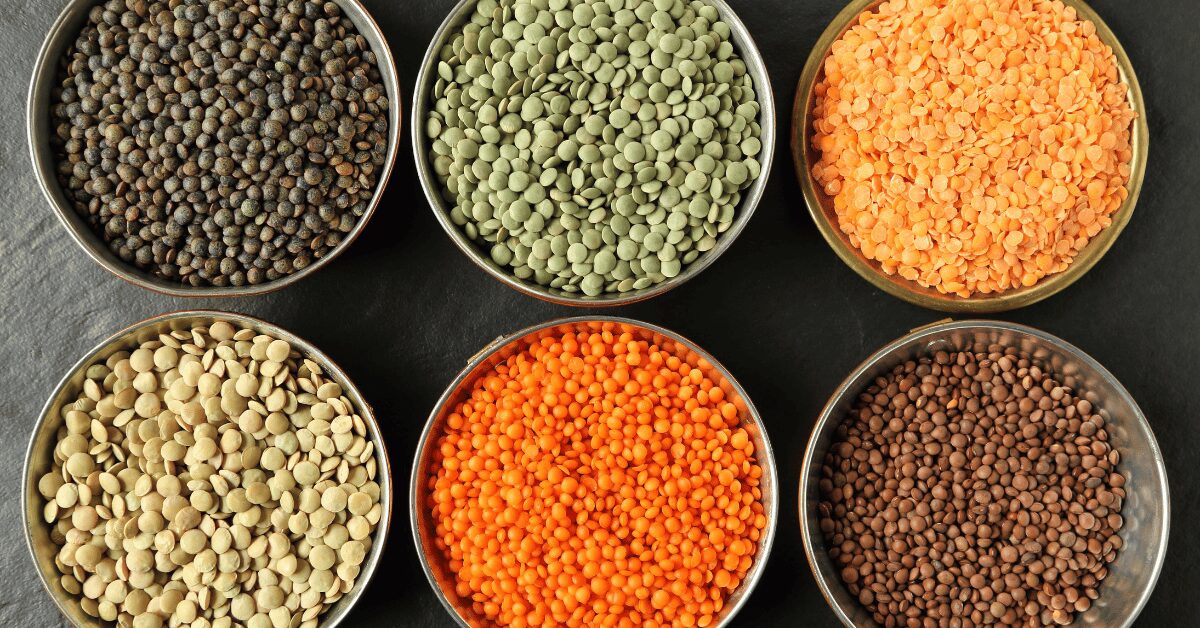
Fall is soup and stew season, which lines up nicely with legumes. White beans, black beans, chickpeas, and lentils all bring resistant starch plus fiber, protein, and minerals. A pot of chili or lentil soup each week adds up. Following strict paleo? Sweet potatoes, green bananas, and plantains are your swaps.
The same cooling trick works on rice: day-old fridge rice carries more resistant starch than a fresh pot. Fried rice and grain bowls built on leftover rice become a quiet win for your gut. Store cooked rice in the fridge within an hour of cooking, and eat it within a day or two.
Oats bring resistant starch too, and soaked overnight oats keep more of it than a hot bowl of oatmeal. Choose certified gluten-free oats if you avoid gluten, since regular oats are often cross-contaminated.
Eating paleo? Your best resistant starch sources this fall are cooked-and-cooled sweet potatoes, slightly green bananas, green plantains, and cooked-and-cooled white potatoes (if you include them). These alone can meaningfully feed your microbiome through the season.
Because your gut bacteria ferment resistant starch, adding a lot at once can mean extra gas and bloating while your microbiome adjusts. Start with one serving a day, like a few chilled potato cubes or half a green banana, and build up over a couple of weeks. Drink plenty of water as your fiber intake rises.
Adding resistant starch is one piece of a gut reset. If you want a full plan, my free 7-Day Gut Reset walks you through it: a 5-step gut healing framework, the foods to eat for a happy gut, and the daily habits that actually move the needle on bloating and fatigue.
Feeding your gut is a powerful start, but if digestion, energy, or bloating still feel off, there’s usually more to the story. If you haven’t yet, grab the free 7-Day Gut Reset. And if you’d rather talk it through, I offer a free discovery call. No pressure, just a conversation about whether functional medicine is the right next step for you.
Book Your Free Discovery Call →To your health and vitality, Dr. Ryan
Resistant starch is a carbohydrate that skips digestion in the small intestine and reaches the colon intact, where beneficial bacteria ferment it. That fermentation makes short-chain fatty acids like butyrate, which nourish the gut lining and support a balanced microbiome.
Cooking and then cooling starchy foods triggers retrogradation, which turns some digestible starch into resistant starch. Reheating doesn’t undo it, so batch cooking and eating leftovers works well.
Potatoes, sweet potatoes, green bananas, green plantains, beans, lentils, and rice are naturally gluten-free. Oats are gluten-free only when labeled certified gluten-free.
On a paleo template, the best options are cooked-and-cooled sweet potatoes, slightly green bananas, green plantains, and cooked-and-cooled white potatoes if you include them.
It can at first, because your gut bacteria ferment it. Start with one small serving a day and increase slowly over a couple of weeks. If you have IBS or SIBO, go especially slowly or work with a practitioner.
For educational purposes only. Not medical advice. If you have a digestive condition or specific dietary needs, work with a qualified practitioner before making significant changes to your diet.