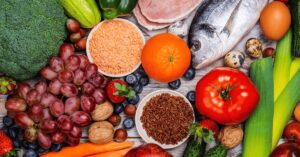

Prebiotics are the most underappreciated tool in functional gut medicine. While everyone talks about probiotics, prebiotics — the specialized fibers that feed your beneficial gut bacteria — are what actually determine whether a healthy microbiome can establish and thrive. As a functional medicine practitioner and licensed pharmacist, I think about prebiotics not just as digestive support but as a foundational intervention for hormone balance, immune function, mental health, blood sugar regulation, and cardiovascular health. The research connecting microbiome diversity to longevity is among the most compelling in all of medicine right now — and dietary prebiotics are the primary driver of that diversity. This guide covers everything you need to know: what prebiotics are, which foods contain the most, daily targets, and the functional medicine context that makes them more than just a gut supplement.
Prebiotics vs Probiotics — What’s the Difference and Why Both Matter
This is the most common confusion in gut health — and the distinction matters clinically:
- Probiotics are the beneficial bacteria themselves — Lactobacillus, Bifidobacterium, Akkermansia, and others. You can introduce them through fermented foods (sauerkraut, kimchi, kefir, yogurt) or supplements.
- Prebiotics are the specialized fibers that feed those bacteria — inulin, fructooligosaccharides (FOS), galactooligosaccharides (GOS), and resistant starch.
Without adequate prebiotic fiber, even the most comprehensive probiotic protocol has limited staying power. Think of it this way: probiotics are the seeds, prebiotics are the soil. You can plant the best seeds in the world — but without fertile soil, they won’t grow.
As a pharmacist, I regularly see patients spending significant money on probiotic supplements while eating a low-fiber, processed food diet. The probiotics can’t establish because the dietary environment doesn’t support them. Fixing the prebiotic foundation first makes every other gut intervention more effective.
Synbiotics — products combining prebiotics and probiotics together — are increasingly supported by research as more effective than either alone for this reason.
Why Do You Need Prebiotics?
Your gut bacteria aren’t just passive passengers. They’re active participants in your health, influencing everything from digestion to immunity to mood. But without proper nutrition, even the best probiotic supplements won’t establish a thriving gut environment.
Prebiotics selectively feed beneficial bacteria like Bifidobacteria and Lactobacilli while starving out harmful microbes. This selective feeding creates a healthier microbial balance that supports your entire body.
The Benefits of Prebiotics
Digestive Health
- Improved bowel regularity and consistency
- Reduced bloating and gas (once your gut adjusts)
- Enhanced nutrient absorption, especially minerals like calcium and magnesium
- Strengthened intestinal barrier function
Immune System Support
- 70% of your immune system lives in your gut
- Prebiotics help beneficial bacteria produce short-chain fatty acids (SCFAs) that regulate immune function
- Reduced inflammation throughout the body
Blood Sugar Balance
- Improved insulin sensitivity
- Better glucose metabolism
- Reduced post-meal blood sugar spikes
Weight Management
- Increased satiety and reduced appetite
- Production of hormones that signal fullness
- Improved fat metabolism
Mental Health & Brain Function
- The gut-brain axis relies on a healthy microbiome
- Beneficial bacteria produce neurotransmitters like serotonin
- Reduced anxiety and improved mood in many studies
Heart Health
- Lower cholesterol levels
- Reduced blood pressure
- Decreased inflammation markers

Prebiotics and Longevity — The Functional Medicine Connection
The research connecting gut microbiome diversity to longevity and healthy aging is among the most compelling emerging science in functional medicine. Here’s what the data shows:
Centenarian microbiomes — studies of people living past 100 consistently show higher microbiome diversity and specifically higher levels of Akkermansia muciniphila and Bifidobacterium compared to average age-matched populations. These bacteria thrive on prebiotic fiber.
Short-chain fatty acids and inflammation — when beneficial bacteria ferment prebiotic fiber they produce butyrate, propionate, and acetate — short-chain fatty acids that directly reduce intestinal inflammation, strengthen the gut barrier, regulate immune function, and even cross the blood-brain barrier to support cognitive health.
Epigenetic influence — emerging research shows gut bacteria metabolites influence gene expression through epigenetic mechanisms — meaning your microbiome diversity literally affects how your genes are expressed. Prebiotic fiber is the primary lever for improving that diversity.
Cardiovascular protection — gut bacteria that ferment prebiotic fiber produce compounds that reduce LDL cholesterol, lower blood pressure, and decrease arterial inflammation — three of the primary cardiovascular aging drivers.
From a Defy Aging perspective, increasing dietary prebiotic fiber is one of the most accessible, evidence-supported longevity interventions available — requiring no supplements, no expensive testing, and no dramatic lifestyle changes. Just more of the right plants.
How Much Do You Need?
Research suggests optimal prebiotic intake ranges from 5-15 grams per day for most adults. A good starting target is 10 grams daily, which you can adjust based on your tolerance and health goals.
Important: If you’re new to prebiotics, start slowly! Begin with 3-5 grams daily and gradually increase over 2-3 weeks. Your gut bacteria need time to adjust, and jumping in too quickly can cause temporary bloating, gas, or digestive discomfort.
Your Prebiotic Food Guide
Use this list to track your daily prebiotic intake. Mix and match foods throughout the day to reach your 10-gram target.
High Prebiotic Foods (3+ grams per serving)
Food | Serving Size | Prebiotic Content |
Raw chicory root | 1 oz (28g) | 13.5g |
Raw Jerusalem artichoke | 1/2 cup (75g) | 12g |
Raw dandelion greens | 1 cup (55g) | 7.5g |
Raw garlic | 3 cloves (9g) | 5g |
Raw leeks | 1/2 cup (45g) | 3.5g |
Raw onions | 1/2 cup (80g) | 3.5g |
Cooked asparagus | 1/2 cup (90g) | 3g |
Moderate Prebiotic Foods (1-3 grams per serving)
Food | Serving Size | Prebiotic Content |
Raw banana (slightly green) | 1 medium | 2.5g |
Cooked onions | 1/2 cup (105g) | 2.5g |
Raw jicama | 1/2 cup (65g) | 2g |
Oats | 1/2 cup dry (40g) | 2g |
Flaxseeds | 2 tbsp (14g) | 1.8g |
Cooked garlic | 3 cloves | 1.5g |
Pistachios | 1/4 cup (30g) | 1.5g |
Apples with skin | 1 medium | 1.4g |
Raw cabbage | 1 cup shredded (70g) | 1.2g |
Nectarines | 1 medium | 1.2g |
Good Prebiotic Sources (0.5-1 gram per serving)
Food | Serving Size | Prebiotic Content |
Cashews | 1/4 cup (30g) | 0.9g |
Almonds | 1/4 cup (30g) | 0.8g |
Cooked lentils | 1/2 cup (100g) | 0.8g |
Chickpeas | 1/2 cup (82g) | 0.8g |
Watermelon | 1 cup cubed (150g) | 0.8g |
Grapefruit | 1/2 medium | 0.7g |
Pomegranate arils | 1/2 cup (87g) | 0.7g |
Beets | 1/2 cup cooked (85g) | 0.7g |
Brussels sprouts | 1/2 cup cooked (78g) | 0.6g |
Broccoli | 1/2 cup cooked (78g) | 0.6g |
Sweet potato | 1/2 cup cooked (100g) | 0.6g |
Snow peas | 1/2 cup (75g) | 0.5g |
Peaches | 1 medium | 0.5g |
Ripe banana | 1 medium | 0.5g |
Blueberries | 1/2 cup (75g) | 0.5g |
Sample Daily Menu to Reach 10 Grams
Breakfast
- 1/2 cup oats (2g)
- 1/2 medium banana, slightly green (1.3g)
- 2 tbsp flaxseeds (1.8g)
- Subtotal: 5.1g
Lunch
- Large salad with 1 cup raw cabbage (1.2g)
- 1/2 cup cooked lentils (0.8g)
- 3 cloves raw garlic in dressing (5g) or substitute 1/4 cup raw onions (1.8g)
- Subtotal: 7g (or 3.8g without raw garlic)
Snack
- 1 medium apple with skin (1.4g)
- 1/4 cup almonds (0.8g)
- Subtotal: 2.2g
Dinner
- 1/2 cup cooked asparagus (3g)
- 1/2 cup chickpeas (0.8g)
- Subtotal: 3.8g
Daily Total: 12-18 grams (depending on whether you use raw garlic)

Practical Tips for Success
- Raw vs. Cooked Matters Many prebiotic fibers break down with heat. Raw garlic, onions, and leeks contain significantly more prebiotics than cooked versions. Add them raw to dressings, salsas, or at the end of cooking.
- Embrace Slightly Green Bananas As bananas ripen, their resistant starch (a prebiotic) converts to regular sugar. Slightly green or just-yellow bananas offer the most prebiotic benefit.
- Diversity is Key Different prebiotic fibers feed different beneficial bacteria. Aim for variety rather than relying on just one or two sources.
- Keep a Food Journal Track your prebiotic intake for one week to identify gaps and opportunities. You might be closer to your goal than you think!
- Prep Prebiotic-Rich Ingredients
- Chop onions and garlic in advance
- Keep raw jicama sticks in the fridge
- Pre-portion nuts for easy snacking
- Batch cook asparagus, lentils, and chickpeas
- Add Prebiotics to Existing Meals
- Add raw garlic to hummus or salads
- Mix flaxseeds into smoothies
- Top salads with raw onions or jicama
What About Supplements?
While whole foods are always preferred, prebiotic supplements can help you reach your target if you struggle with food sources. Common forms include:
- Inulin powder (from chicory root)
- Partially hydrolyzed guar gum (PHGG)
- Acacia fiber
- Resistant starch supplements
Start with small doses (2-5g) and increase gradually. Take supplements with meals and plenty of water.
Prebiotics and Hormones — The Connection Most People Miss
This is one of the most clinically important prebiotic applications that rarely gets discussed outside functional medicine:
The estrobolome — a subset of your gut microbiome that specifically metabolizes estrogen — is directly influenced by prebiotic fiber intake. When the estrobolome is healthy and diverse, estrogen is properly processed and eliminated. When it’s depleted — from low fiber intake, antibiotic use, or poor diet — an enzyme called beta-glucuronidase increases, allowing processed estrogen to be reabsorbed rather than eliminated. This contributes directly to estrogen dominance symptoms: heavy periods, PMS, breast tenderness, bloating, and hormonal weight gain.
For women dealing with estrogen dominance, increasing prebiotic fiber is one of the most evidence-supported dietary interventions — supporting the gut’s ability to clear excess estrogen before it recirculates.
Cortisol regulation — the gut-brain axis directly influences HPA axis function. A diverse, prebiotic-fed microbiome produces GABA precursors and other neuroactive compounds that reduce the stress response and support cortisol regulation. Patients with adrenal dysfunction almost universally have compromised gut microbiome diversity.
Thyroid conversion — a significant portion of T4 to T3 thyroid hormone conversion occurs in the gut via bacterial deiodinase enzymes. Poor microbiome health from inadequate prebiotic fiber directly impairs this conversion — contributing to subclinical hypothyroid symptoms even with normal TSH levels.
When to Expect Results
Week 1-2: Your gut bacteria begin to shift. You might experience temporary gas or bloating as your microbiome adjusts.
Week 3-4: Digestive changes become apparent—improved regularity, reduced bloating, better stool consistency.
Week 6-8: Systemic benefits emerge—better energy, clearer skin, improved mood, stronger immunity.
Month 3+: Long-term benefits solidify—sustained weight management, reduced inflammation, optimal gut-brain communication.
Important Considerations
Start Slow: Rapidly increasing fiber can cause digestive distress. Gradually build up your intake.
Drink Water: Prebiotics need fluid to work properly. Aim for at least 8 glasses daily.
Listen to Your Body: Some people with SIBO (small intestinal bacterial overgrowth) or IBS may need to moderate high-FODMAP prebiotics initially. Work with your practitioner.
Consistency Matters: Your gut bacteria thrive on regular feeding. Daily prebiotic intake works better than sporadic large doses.
The Bottom Line
Prebiotics are one of the most powerful tools for optimizing your gut health and, by extension, your overall wellness. By incorporating 10 grams of prebiotic-rich foods into your daily routine, you’re investing in a stronger immune system, better digestion, balanced blood sugar, and even improved mental health.
Start today by adding just one or two prebiotic foods to your meals. Your gut bacteria—and your body—will thank you.
Ready to Take the Next Step?
If symptoms like low energy, mood swings, brain fog, cravings, or digestive discomfort feel like your “new normal,” your gut may be trying to tell you something.
Understanding which type of imbalance you’re dealing with — whether it’s low stomach acid, bacterial overgrowth, or a weakened gut lining — can completely transform your healing approach.
👉 Take the 3-minute “What’s Your Gut Imbalance Type?” Quiz here
and get clarity on what’s actually happening beneath the surface.
You’ll receive a personalized 7-page report with:
✅ Your unique gut imbalance type (and what it means for your symptoms)
✅ Functional medicine-based nutrition + lifestyle strategies tailored to your results
✅ A clear roadmap to start restoring balance, energy, and resilience
This quiz is more than a starting point — it’s a step toward reconnecting with your body and reclaiming your vitality.
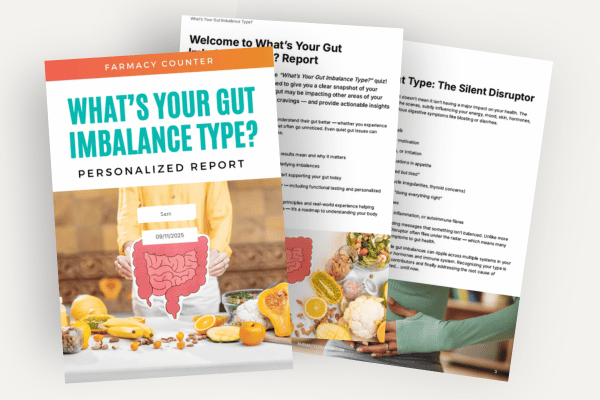
What’s Your Gut Imbalance Type?
Take our 3-minute quiz to discover your unique gut type — and get a personalized 7-page report with insights and actionable steps to support digestion, energy, mood, and overall gut health.
FAQs
You've got questions? We have answers!
The highest prebiotic content foods are raw chicory root (13.5g per ounce), raw Jerusalem artichoke (12g per half cup), raw dandelion greens (7.5g per cup), raw garlic (5g per 3 cloves), raw leeks (3.5g per half cup), and raw onions (3.5g per half cup). For practical daily use, garlic, onions, leeks, asparagus, slightly green bananas, oats, and flaxseeds are the most accessible high-prebiotic foods.
Research suggests 5–15g daily for most adults, with 10g being a practical daily target. Start with 3–5g and increase gradually over 2–3 weeks to avoid temporary digestive adjustment symptoms. The complete food guide and sample menu above show exactly how to hit 10–18g through whole food sources.
Probiotics are the beneficial bacteria themselves. Prebiotics are the specialized fibers that feed those bacteria. Without adequate prebiotic fiber, probiotic supplements have limited effectiveness because the dietary environment doesn’t support bacterial establishment. Both are important — but prebiotic fiber is the foundation that makes all other gut interventions more effective.
Yes — though there may be a temporary adjustment period of 1–2 weeks where bloating increases slightly as your microbiome adapts to increased fiber. After this adjustment, prebiotics typically reduce bloating by improving gut motility, strengthening the gut barrier, and reducing the dysbiosis that drives fermentation-related gas. People with SIBO should introduce prebiotics cautiously and under practitioner guidance.
Yes — particularly for estrogen balance. The estrobolome (the gut bacteria responsible for estrogen metabolism) requires diverse prebiotic fiber to function properly. Low fiber intake allows beta-glucuronidase activity to increase — causing processed estrogen to be reabsorbed rather than eliminated, contributing to estrogen dominance symptoms. Adequate prebiotic fiber supports estrogen clearance through the gut.
Prebiotic supplements including inulin, PHGG, acacia fiber, and resistant starch can help bridge gaps but whole food sources are always preferred because they provide a diversity of prebiotic fiber types that feed different beneficial bacteria. Supplements tend to provide one or two fiber types — whole foods provide dozens. Diversity of prebiotic fiber sources drives microbiome diversity which is the ultimate goal.