Used to bounce back by morning, and now one late night costs you the whole weekend? Here’s why recovery slows down, what else can be going on, and what actually helps.
You remember when you could stay out late, host the dinner, hug everyone goodbye, and be fine by morning.
Now you wake up the next day and can’t get off the couch. Your body feels heavy. Your motivation is gone. You cancel everything else that weekend because you have nothing left to give. And you start wondering when you became someone who needs a full day, or two, to bounce back from a night out.
You’re not lazy, and you’re not alone.
A lot of people notice this, especially in their 40s and beyond, and it’s very often explainable. Sometimes it’s simply how the body changes with age, sleep, and alcohol. Sometimes it’s a signal worth looking into.
This post covers why recovery can take longer than it used to, what else can be going on, how to tell the difference, and what actually helps. It’s educational and not a substitute for care from your own healthcare team.
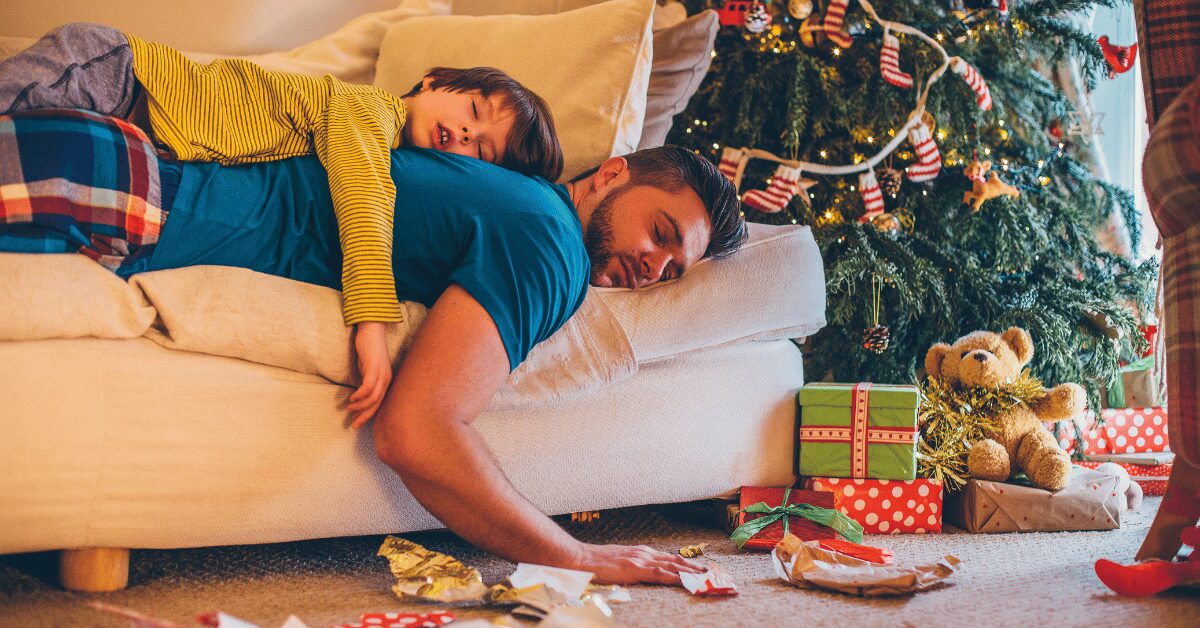
Often, yes. A few things change as we get older, and they stack:
With age, people tend to spend less time in deep, restorative sleep and wake more often during the night.[1] That means a late night costs you more, because the sleep you do get is less able to repair you.
Body water and lean mass tend to go down with age, so the same drink gives you a higher blood alcohol level than it used to.[2] And alcohol fragments sleep in the second half of the night and suppresses REM sleep, even if you fall asleep easily.[3] I cover this in why alcohol hits harder after 40.
In sleep studies, people who cut back on sleep for several nights kept getting worse on tests of alertness and performance, even though they felt they were adapting.[4] A late night plus an early morning isn’t a one-night cost. It can carry through the next day or two.
When you’re short on sleep, the brain becomes more reactive to worry and stress.[5] That’s why the day after can bring low mood, irritability, and “hangxiety,” even when you didn’t drink much.
A holiday event can drain you even if you didn’t drink: the noise, the people, the late hour, the travel, the heavier food, and being “on” for hours. Your nervous system is working the whole time. (More on why the holidays take a bigger toll on your body.)
For some people, hormone shifts add to this, mostly by affecting sleep and stress tolerance.
I want to be honest: hormones are one possible piece, not the whole explanation. Most of the time, sleep and alcohol are doing a lot of the work.
If you’ve tried the basics and still need days to bounce back, here’s what I’d rule out:
This is also close to what I describe in your body’s tipping point, where the last straw gets blamed instead of the load that built up before it.
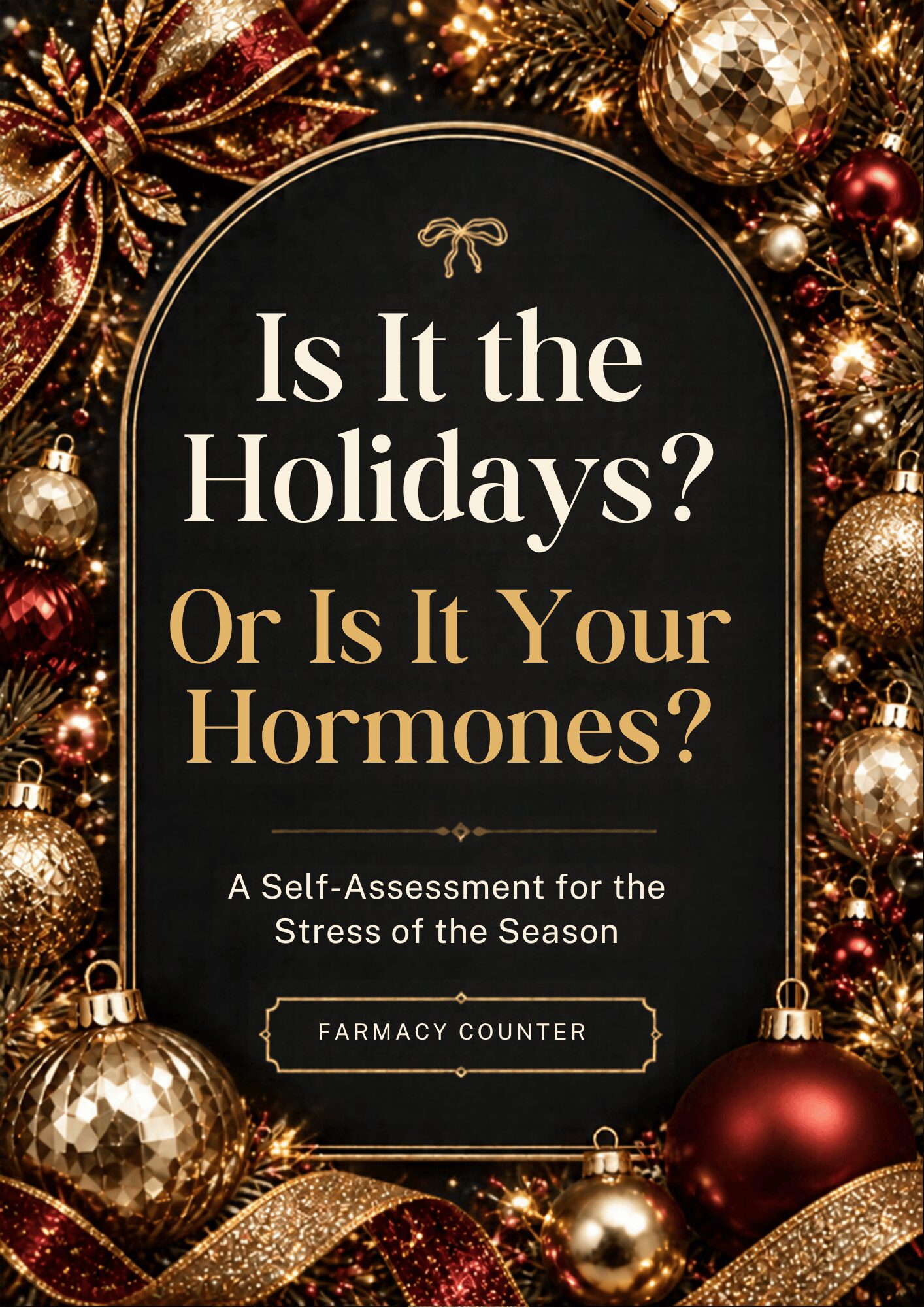
If your recovery has been getting slower over months, not just this season, start with the bigger picture. My free self-assessment, Is It the Holidays? Or Is It Your Hormones?, helps you see where your symptoms cluster, and whether they look seasonal or worth a closer look.
It doesn’t diagnose anything. It gives you a clearer starting point.
Want the full story? Read Is It the Holidays or Your Hormones? How to Tell.
You don’t have to skip the events you love. These make a real difference:
Before
During
The next day
For more on holiday meals, see how to enjoy holiday meals without regret, and for better nights, my evening wind-down routine.
Alcohol increases magnesium loss, and vitamin D often runs low in winter, so these are two I check most often. Talk with your provider before adding any supplement, because some interact with medications and alcohol.
Available through my Fullscript dispensary. Farmacy Counter may earn a commission on purchases.
When someone tells me they need days to recover from things they used to handle easily, I look at the whole picture:
I also use four working patterns from my hormone traffic report to organize what I find:
Wired at night, tired by day, poor sleep, slow recovery
Fatigue, low iron, B12, or other nutrients
Blood sugar swings, cravings, afternoon slumps
Alcohol hitting harder, bloating, puffiness
These are clues that organize questions. They don’t diagnose a cause.
Be Your Own AdvocateTalk with your provider if slow recovery is getting worse over months or affecting your work or relationships. And if even small, everyday activity leaves you much worse for a day or more and rest doesn’t fix it, mention it specifically. That pattern, called post-exertional malaise, is worth a closer look.[13]
It doesn’t mean you’re getting old, lazy, or weak. It usually means your body is telling you something about sleep, load, or what’s going on underneath. If you haven’t yet, start with the free self-assessment. And if you’d rather talk through what you’ve been experiencing, I offer a free discovery call. No pressure, just a conversation about whether functional medicine is the right next step for you.
Book Your Free Discovery Call →To your health and vitality, Dr. Ryan
With age, sleep gets lighter, the same drink raises blood alcohol more, and alcohol disrupts the second half of the night. A late night plus an early morning can carry over for a day or two, and hormone shifts like perimenopause can make sleep less reliable.
Often, yes, especially after a late night, alcohol, travel, or hours of being “on.” If recovery has been getting slower over months, or it happens even after small amounts of activity, it’s worth a closer look.
Short sleep makes the brain more reactive to worry and stress, and alcohol fragments the second half of the night. That combination can bring low mood, irritability, and “hangxiety,” even after a few drinks.
Eat a protein-rich meal before you go out, alternate drinks with water, stop drinking a few hours before bed, then get morning light and a walk, eat a protein breakfast, and go to bed on time the next night instead of sleeping in.
Thyroid problems, low iron stores, low B12 or vitamin D, sleep apnea, medications that interact with alcohol, blood sugar swings, depression, and anxiety can all slow recovery. Perimenopause and low testosterone can add to it.
For educational purposes only. Not a diagnosis, and not a substitute for care from your healthcare provider or a licensed mental health professional. Do not start, stop, or change any medication or supplement without talking with your provider.