
Ultra-processed foods are engineered to override your fullness signals. Here’s what the science says about how they hijack your appetite, disrupt your metabolism, and what to do about it.
You ate the whole bag. You weren’t even that hungry when you started. And you know it wouldn’t have happened with carrots.
That distinction, between foods you stop eating when you’re full and foods you keep eating long after, isn’t random. It’s by design. And understanding why changes the conversation entirely.

| Topic | What to Know |
|---|---|
| The bliss point | A precise mix of sugar, salt, and fat designed to maximize cravability |
| In your brain | Refined carbs and fats together may raise dopamine to a degree comparable to nicotine and alcohol |
| How common | An estimated 14% of adults show signs of ultra-processed food addiction |
| In your metabolism | Blunted fullness signals, gut disruption, inflammation, and blood sugar swings |
| Where to start | Read ingredient lists, crowd out rather than restrict, and address root causes |
Food scientists have a term for it: the bliss point. It refers to the precise combination of sugar, salt, and fat that maximizes cravability, the point at which a food is so pleasurable that your brain’s reward system overrides the signals telling you to stop.[3]
This isn’t a metaphor. It’s an engineering process. Food companies test formulations the way pharmaceutical companies test compounds, optimizing for palatability, repeat consumption, and the specific sensory experience that keeps people coming back.
The result is a category of products designed not to satisfy hunger, but to trigger reward. And the mechanism they exploit is the same reward system your brain uses to respond to drugs, alcohol, and gambling.
When you eat an ultra-processed food, refined carbohydrates and fats hit your bloodstream rapidly, faster than whole foods, because the food matrix has already been broken down during processing. That speed matters. The faster a substance reaches the brain, the higher its addictive potential.
Across 36 countries
Show signs of ultra-processed food addiction, similar to tobacco
Research published in The BMJ, reviewing 281 studies across 36 countries, found that refined carbohydrates and fats in combination may raise dopamine levels in the brain’s reward centers to a degree comparable to nicotine and alcohol. The authors estimate that roughly 14% of adults show signs of addiction to ultra-processed foods, a rate similar to tobacco addiction.[1]
You didn’t decide to eat the whole bag. Your reward system did.
From a functional medicine perspective, the problem isn’t just overeating. It’s what chronic ultra-processed food consumption does to the metabolic systems that regulate appetite, blood sugar, and body composition over time.
Your body relies on hormones (leptin, ghrelin, GLP-1, CCK) to regulate hunger and fullness. Leptin tells your brain you’ve had enough. GLP-1 slows gastric emptying and signals satiety after meals. Ultra-processed foods, which are engineered to be hyperpalatable and rapidly absorbed, appear to blunt these signals over time. When leptin signaling becomes impaired, your brain stops receiving the “stop eating” message regardless of how much you’ve consumed.
Ultra-processed foods are low in fiber and high in additives (emulsifiers, preservatives, artificial flavorings) that have been associated with reduced microbial diversity in the gut. Your gut microbiome plays a direct role in metabolic regulation, appetite signaling, and inflammation. When it’s disrupted, the downstream effects touch virtually every system.
A 2025 narrative review in Metabolites found that the sugars, trans fats, and saturated fats common in ultra-processed foods are associated with elevated inflammatory markers including CRP, IL-6, and TNF-α.[2] Hypothalamic inflammation, in the brain region that governs appetite, may further impair the signals that tell you when you’ve had enough, creating a cycle that’s difficult to break through willpower alone.
The rapid glucose absorption from ultra-processed foods drives blood sugar spikes followed by crashes, which trigger hunger signals, cravings for more fast-absorbing food, and the cortisol response that comes with low blood sugar. This cycle, repeated across every meal and snack, keeps the metabolic system in a state of reactivity rather than stability.
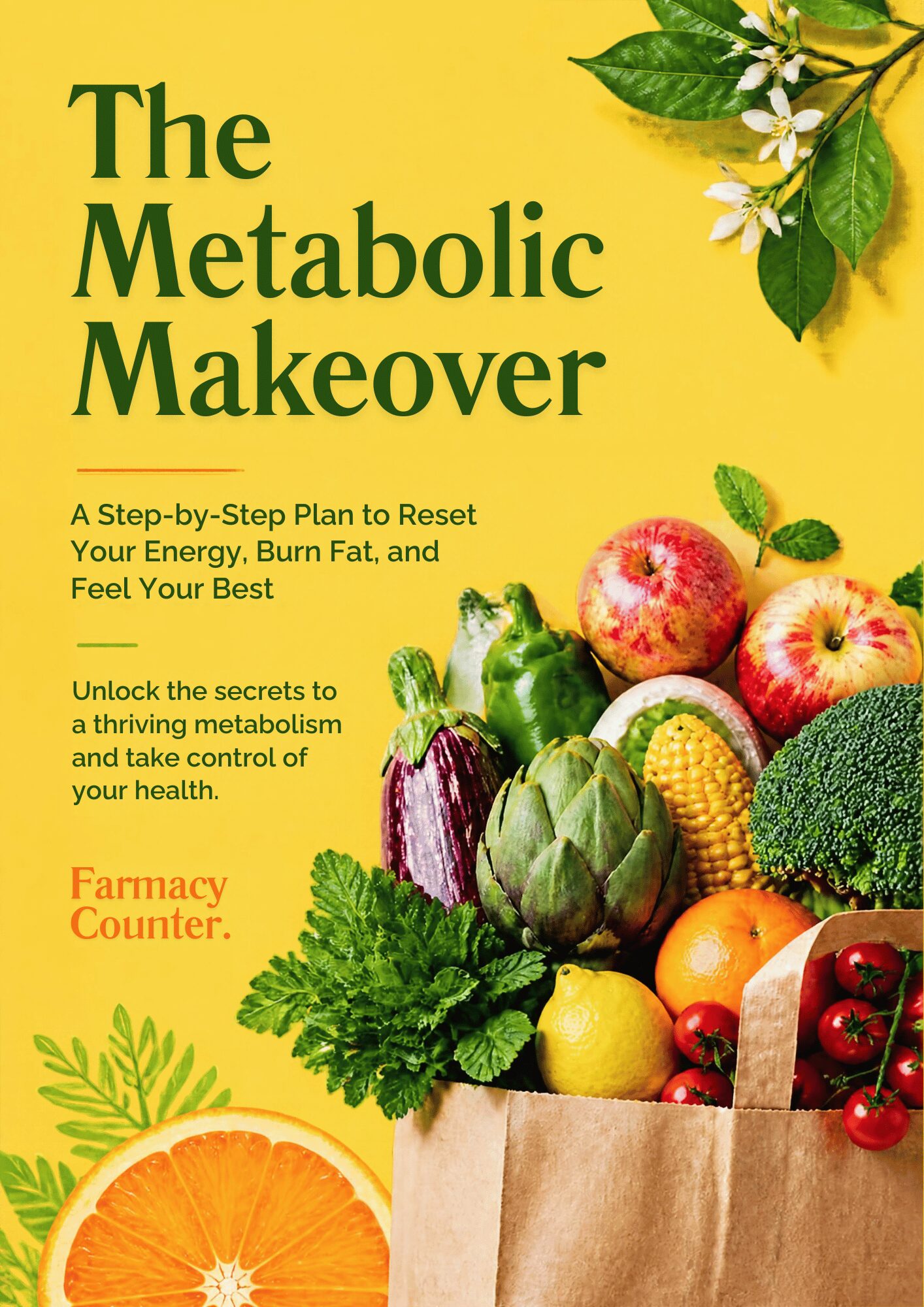
The Metabolic Makeover guide is the same root-cause framework I use with my clients, covering the food, hormone, and lifestyle factors that drive energy, fat storage, and appetite patterns.
Free instant download. No spam, unsubscribe anytime.
In functional medicine, we look at food not just as calories and macros, but as information: signals that your body interprets and responds to at a cellular level. Ultra-processed foods send the wrong signals, repeatedly, across multiple systems simultaneously.
The conventional response to overeating is to tell people to eat less and exercise more. That advice ignores the fact that the foods driving overconsumption are specifically engineered to defeat the biological mechanisms that control intake. Blaming willpower for a neurochemical response to a deliberately engineered stimulus isn’t accurate, and it isn’t helpful.
What does help is understanding the mechanism. When you know that a food was designed to create a dopamine loop that bypasses your fullness cues, the struggle to stop eating it becomes less about discipline and more about environment and strategy.
You’re not weak. You’re human, responding to a product optimized to exploit human biology.
The practical goal isn’t perfection. It’s building a pattern of eating that puts whole, minimally processed foods at the center, not as a diet rule, but as a way to let your body’s appetite regulation actually function.[4]
A product with five recognizable ingredients behaves differently in your body than one with thirty, regardless of what the front of the package says.
Adding fiber-rich whole foods, adequate protein, and healthy fats to your meals naturally reduces the space ultra-processed foods occupy, and supports the gut microbiome that helps regulate appetite.
If cravings feel out of control, blood sugar instability, hormonal imbalance, and gut dysfunction may all be contributing. These are measurable and addressable, but only if someone looks for them.
If you’re ready to look at your labs and get a personalized plan, I’d love to connect.
Book a Discovery Call →Many ultra-processed foods are engineered around the bliss point, a combination of sugar, salt, and fat that maximizes cravability so your brain’s reward system overrides the signals telling you to stop. Refined carbohydrates and fats also reach the bloodstream quickly because the food matrix has already been broken down, and that speed raises their addictive potential.
A review in The BMJ of 281 studies across 36 countries estimated that roughly 14% of adults show signs of addiction to ultra-processed foods, a rate similar to tobacco addiction. Refined carbohydrates and fats in combination may raise dopamine in the brain’s reward centers to a degree comparable to nicotine and alcohol.
Beyond overeating, they appear to blunt appetite hormones like leptin and GLP-1 over time, are associated with reduced gut microbial diversity, are linked to higher inflammatory markers such as CRP, IL-6, and TNF-alpha, and drive blood sugar spikes and crashes that fuel more cravings.
Check ingredient lists before you buy, crowd out rather than restrict by adding fiber-rich whole foods, adequate protein, and healthy fats, and look at root causes like blood sugar instability, hormonal imbalance, and gut dysfunction if cravings feel out of control.
For educational purposes only. Not a diagnosis, and not a substitute for care from your healthcare provider. If you’re struggling with binge eating or your relationship with food, please reach out to a healthcare provider for support.