Functional Nutrition • Hormone Health

The Best Protein Sources for Hormonal Stability

The right protein sources support hormone production, steadier blood sugar, and estrogen metabolism. A functional medicine pharmacist breaks down which proteins to choose, how they affect your hormones, and how much you need.


Protein is the most underappreciated hormone-supporting nutrient in functional medicine. Most people think of protein for muscle or feeling full, but as a functional medicine practitioner and licensed pharmacist, I think about what it does for your hormones.

Every hormone in your body is built from raw materials that come from food. Amino acids from protein are the building blocks for thyroid hormones, insulin, and the brain chemicals that steady your mood, and protein-rich meals keep the blood sugar swings that stress your hormones in check.

When protein intake is low or inconsistent, you might feel it as:

  • Midday slumps or sugar cravings
  • Irritability or anxiety
  • Poor sleep, or feeling “wired and tired”
  • Slower recovery or lower resilience to stress

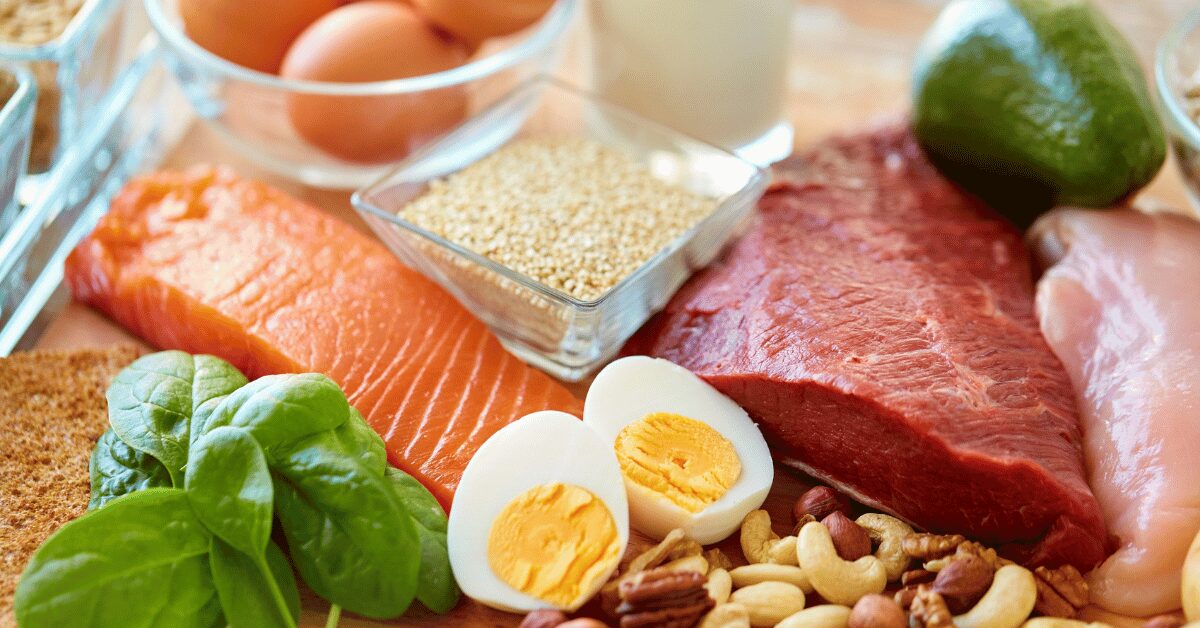
If that sounds familiar, it’s worth looking at how much protein you’re getting and where it comes from. Here are some of the most hormone-supportive sources to keep your body, and your hormones, steady. (For daily habits, see 7 habits to boost your protein intake.)

The best protein sources for hormonal stability
At a Glance

Hormone-Supportive Protein Sources

SourceKey nutrientsSupports
Wild fish & pasture-raised eggsOmega-3s, choline, selenium, vitamin DThyroid, estrogen metabolism, mood
Grass-fed meat & organic poultryIron, zinc, B vitaminsEnergy, thyroid, steady blood sugar
Lentils, beans & quinoaFiber, folate, magnesiumGut health and estrogen clearance
Pumpkin seeds & hemp heartsZinc, magnesiumStress response, sleep, reproductive hormones
Clean protein powdersConvenienceFilling gaps on busy days
Source One

Wild-Caught Fish and Pasture-Raised Eggs

These nutrient-dense proteins also supply healthy fats (like omega-3s and phospholipids) and key nutrients such as choline, selenium, and vitamin D, all important for making and processing hormones.

Why It Matters

Choline supports methylation, a process your liver uses for estrogen metabolism and that supports your nervous system. Selenium helps convert thyroid hormone into its active form.[1]

Try this: Aim for 2 to 3 servings of wild-caught salmon, sardines, or mackerel each week, and add pasture-raised eggs to breakfast or salads.
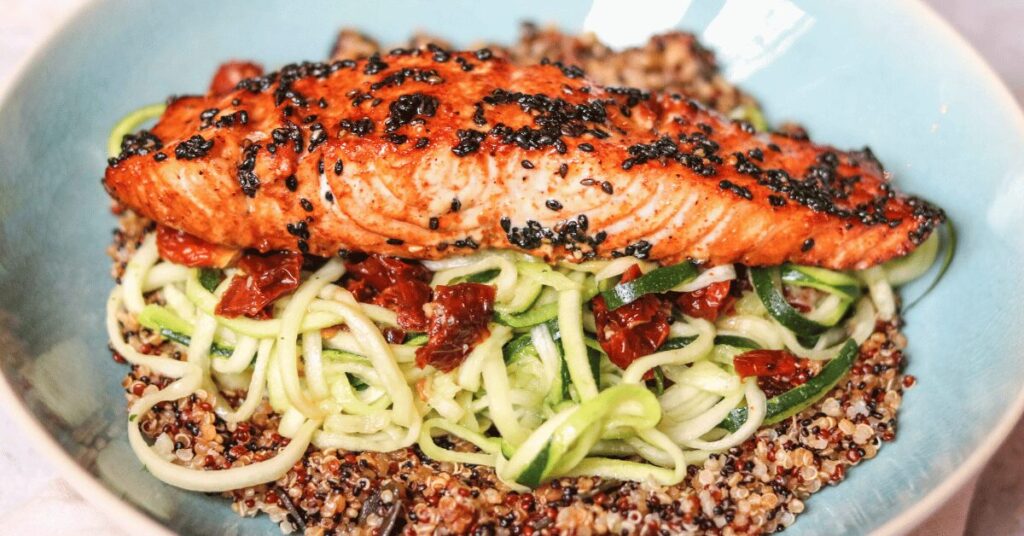
Baked salmon with zoodles and quinoa
Source Two

Grass-Fed Meats and Organic Poultry

Grass-fed and pasture-raised meats provide complete protein, and grass-fed beef has a better fat profile, with more omega-3s and conjugated linoleic acid. Red meat and poultry also bring iron, zinc, and B vitamins, nutrients your thyroid and energy depend on.

Choosing organic and pasture-raised also means fewer drug and chemical residues for your body to process.

Why It Matters

Protein-rich meals steady blood sugar, which means fewer spikes and dips for your stress hormones to respond to, and more even energy and mood. (More on your cortisol pattern.)

Try this: Choose grass-fed beef, lamb, bison, or organic chicken and turkey. Pair with fiber-rich veggies for balanced meals.
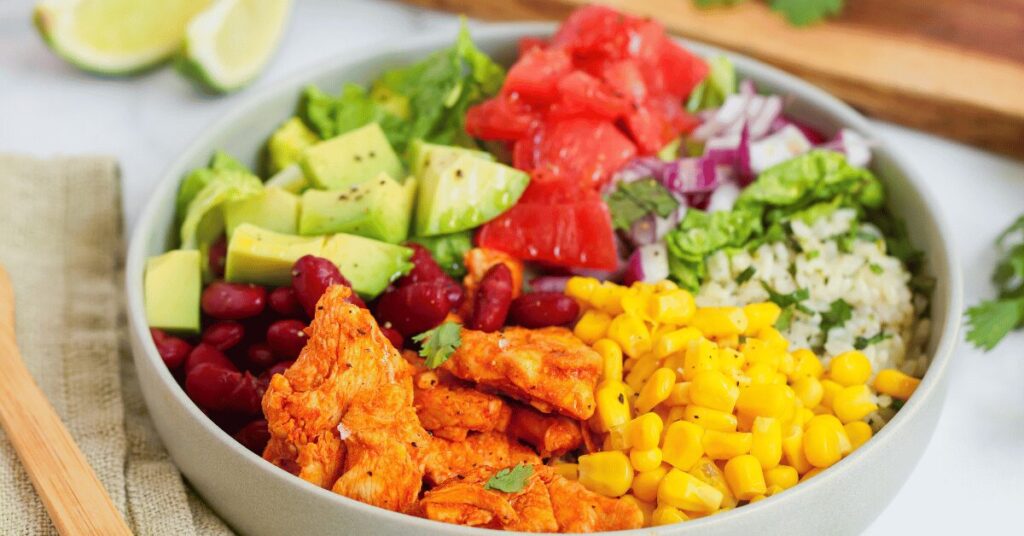
Chicken burrito bowl
Source Three

Plant-Based Protein Options

If you lean more plant-based, you can still get excellent protein that supports hormonal health. Try including:

  • Lentils, chickpeas, and black beans. High in fiber and resistant starch, which feed your gut microbiome, including the bacteria that help process estrogen.[2]
  • Quinoa and amaranth. Technically seeds, these are complete proteins and naturally gluten-free.
  • Hemp hearts, chia seeds, and pumpkin seeds. Protein plus hormone-friendly minerals like magnesium and zinc.
  • Green peas and pea protein powder. Great for smoothies when you need quick, clean protein.
Why It Matters

A healthy gut helps your body break down and clear used estrogen instead of recirculating it. (See how your gut bacteria affect your hormones.)
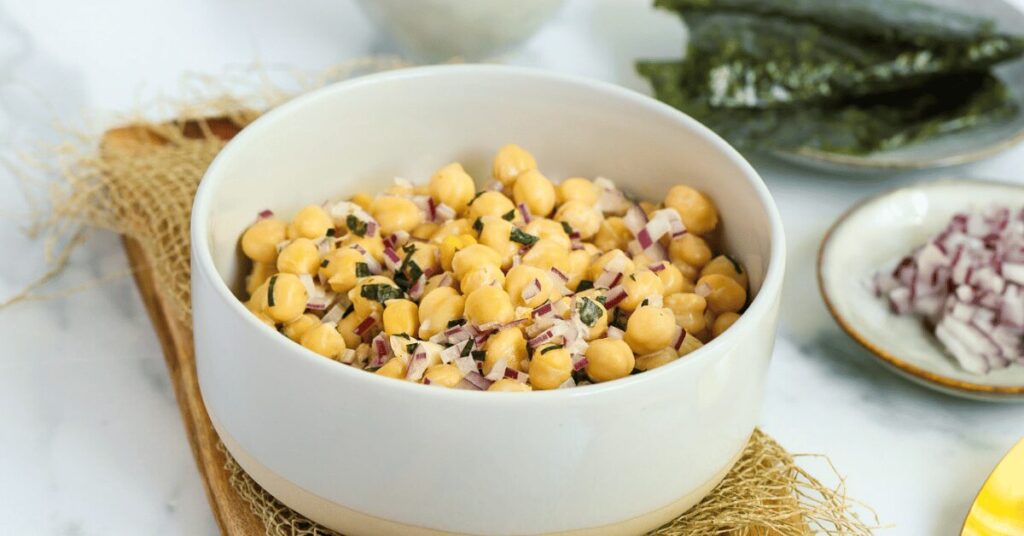
Chickpea nori salad
Source Four

Pumpkin Seeds and Hemp Hearts

These small but mighty foods are among the most mineral-rich plant proteins available. They deliver zinc and magnesium, two nutrients that play key roles in the stress response and reproductive hormones.

  • Zinc is needed for healthy ovulation and testosterone production.
  • Magnesium helps calm the nervous system and supports sleep.

Try this: Sprinkle hemp hearts or pumpkin seeds on oats, salads, or coconut yogurt, or blend them into smoothies for a blood-sugar-steadying snack.
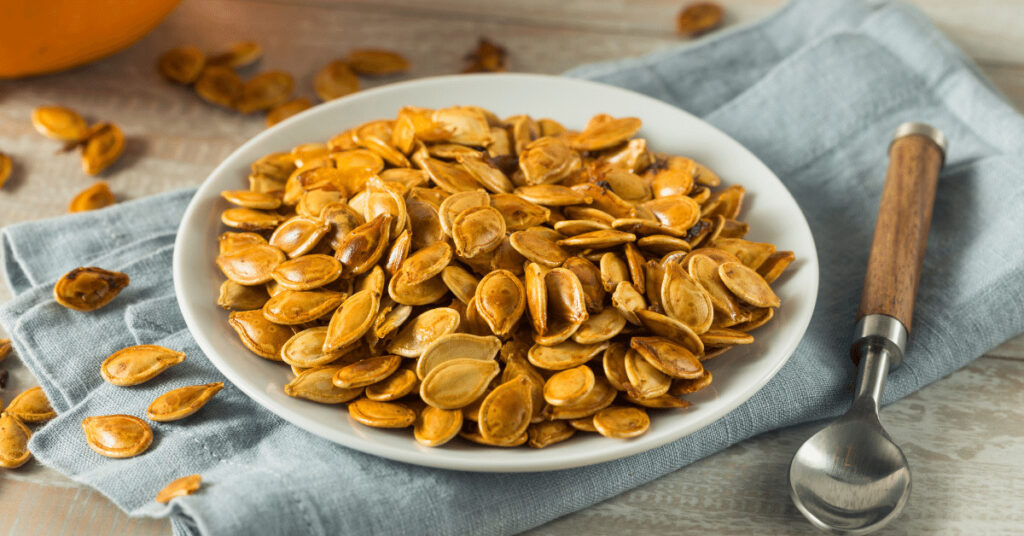
Recipes From Our KitchenChili Lime Pumpkin Seeds
Chili lime pumpkin seeds
Good to Know

A Note on Protein Powders and Bars

Protein powders can be helpful when life gets busy, but choose wisely. Many commercial products are loaded with added sugars, gums, and artificial sweeteners that can work against steady blood sugar.

Look for clean formulas with minimal ingredients, ideally third-party tested. Pea protein and bone broth protein are good dairy-free options. Collagen is helpful too, but it isn’t a complete protein, so don’t count it as your only source. Use powders as a supplement to whole food, not a replacement.

The Protein Powders I Use

A Clean Vanilla Protein, or a Paleo Option

My everyday pick is a clean vanilla protein that blends smoothly into smoothies. For a dairy-free, paleo option, Bone Broth Protein (Vanilla) gives you 21 grams of collagen-rich beef protein per scoop.

Available through my Fullscript dispensary. Farmacy Counter may earn a commission on purchases.

The Mechanism

How Protein Affects Your Hormones

Protein doesn’t just support hormones indirectly through blood sugar. It provides building blocks and helpers for hormone production and processing:

  1. Thyroid hormones

    T3 and T4 are built from the amino acid tyrosine plus iodine, and your body needs selenium, iron, and zinc to make and activate them.[1] Steady protein intake helps make sure the raw materials are there.

  2. Stress hormones

    Cortisol, DHEA, and aldosterone are made from cholesterol, not protein. But under-eating protein, common on low-calorie diets, can leave blood sugar swinging, which keeps your stress response working overtime.

  3. Estrogen metabolism

    Your liver uses amino acids such as glycine and methionine to process and clear estrogen. Getting enough protein supports those clearance pathways.

  4. Insulin and blood sugar

    Protein with a meal slows how fast carbohydrates hit your bloodstream and softens the insulin response. Steadier blood sugar usually means steadier energy and mood.

  5. Brain chemicals

    Serotonin is made from tryptophan, dopamine from tyrosine, and GABA from glutamate. If you’re dealing with mood swings, anxiety, or poor sleep alongside hormonal symptoms, protein is one of the first things I check.

What’s Your Hormone Type? free assessment from Farmacy Counter
Free Assessment • Hormone Health

Ready to See Where Your Hormones Stand?

Protein is one piece of the picture. My free What’s Your Hormone Type? assessment walks you through the 4 hormone patterns, helps you pinpoint where your estrogen and progesterone balance sits, and explains what your mood, sleep, and cycle have been trying to tell you.

Free instant download. No spam, unsubscribe anytime.

Your Daily Target

How Much Protein Do You Need for Hormone Balance?

The official minimum (0.8 grams per kilogram, or about 0.36 grams per pound) is the amount to prevent deficiency, not the amount to thrive. Research on active adults supports roughly 1.4 to 2.0 grams per kilogram a day.[3] In my practice, I typically suggest:

GoalDaily proteinExample (150 lb)
General hormone support0.7 g per poundAbout 105 grams
Working on hormone, metabolic, or muscle goals0.8 to 1 g per poundAbout 120 to 150 grams
Per meal25 to 35 grams3 meals plus a snack

Spreading protein across three meals works better than eating most of it at dinner.[4] Bigger servings aren’t wasted, as the old “30 grams max” idea suggested,[5] but an even spread is easier on digestion and keeps blood sugar steadier all day.

For women, protein needs may rise in perimenopause, since falling estrogen makes it harder to build and keep muscle. That’s a big reason I aim for the higher end with my midlife clients.

Pharmacist Note

If you have kidney disease or reduced kidney function, talk with your provider before increasing protein, since your target may be lower.

Bringing It All Together

Protein That Builds Resilience

Whole-food protein sources offer a kind of grounded support your hormones recognize. They don’t just build muscle. They build resilience.

Start with small, consistent steps:

  • Include protein at every meal, aiming for 25 to 35 grams.
  • Rotate your sources: mix fish, eggs, meats, and plant proteins through the week.
  • Pair protein with fiber and healthy fats to keep blood sugar steady.

When your meals are balanced this way, your hormones get the message: safe, steady, supported.

Your Next Step

Want Help Balancing Your Hormones?

If you haven’t yet, take the free What’s Your Hormone Type? assessment to see your pattern. And if you’d rather talk it through, I offer a free discovery call. We’ll look at your symptoms, your eating patterns, and any labs you’ve had, and whether functional medicine is the right next step for you. No pressure, just a conversation.

Book Your Free Discovery Call →

To your health and vitality, Dr. Ryan

Common Questions

Frequently Asked Questions

What is the best protein for hormone balance?

Some of the most hormone-supportive proteins are pasture-raised eggs, wild-caught fatty fish (salmon, sardines, mackerel), grass-fed meat, and organic poultry. They provide complete protein plus nutrients like choline, selenium, omega-3s, and vitamin D. Plant options include lentils, hemp hearts, pumpkin seeds, and quinoa.

Does protein help with hormonal imbalance?

Protein supplies the amino acids your body uses to make thyroid hormones, insulin, and brain chemicals like serotonin and dopamine. It also steadies blood sugar and supports the liver pathways that clear estrogen. Low protein is a common, overlooked piece of hormonal symptoms.

How much protein do I need for hormone balance?

In my practice, I typically suggest about 0.7 to 1 gram per pound of body weight daily, spread across three meals of 25 to 35 grams each. Women in perimenopause and people working on muscle or metabolic goals usually do best at the higher end. If you have kidney disease, check with your provider first.

Is soy protein good for hormones?

Soy contains plant compounds called isoflavones that act like very weak estrogens. Research shows whole soy foods like edamame, tofu, and tempeh are generally safe in moderate amounts, including for most women.[6] If you have an estrogen-sensitive condition, talk with your provider about what’s right for you, and choose whole soy foods over highly processed soy isolates.

What protein sources should I limit for hormone balance?

Ultra-processed protein bars and shakes with added sugars, artificial sweeteners, and additives can work against steady blood sugar and gut health. Choose whole-food sources wherever possible, and organic or pasture-raised animal proteins when you can.

For educational purposes only. Not a diagnosis, and not a substitute for care from your healthcare provider. Talk with your provider before making big changes to your diet, especially if you have kidney disease or take prescription medications.

References
  1. Ventura M, Melo M, Carrilho F. Selenium and thyroid disease: from pathophysiology to treatment. Int J Endocrinol. 2017;2017:1297658.
  2. Baker JM, Al-Nakkash L, Herbst-Kralovetz MM. Estrogen–gut microbiome axis: physiological and clinical implications. Maturitas. 2017;103:45–53.
  3. Jäger R, Kerksick CM, Campbell BI, et al. International Society of Sports Nutrition position stand: protein and exercise. J Int Soc Sports Nutr. 2017;14:20.
  4. Mamerow MM, Mettler JA, English KL, et al. Dietary protein distribution positively influences 24-h muscle protein synthesis in healthy adults. J Nutr. 2014;144(6):876–880.
  5. Trommelen J, van Lieshout GAA, Nyakayiru J, et al. The anabolic response to protein ingestion during recovery from exercise has no upper limit in magnitude and duration in vivo in humans. Cell Rep Med. 2023;4(12):101324.
  6. Messina M. Soy and health update: evaluation of the clinical and epidemiologic literature. Nutrients. 2016;8(12):754.