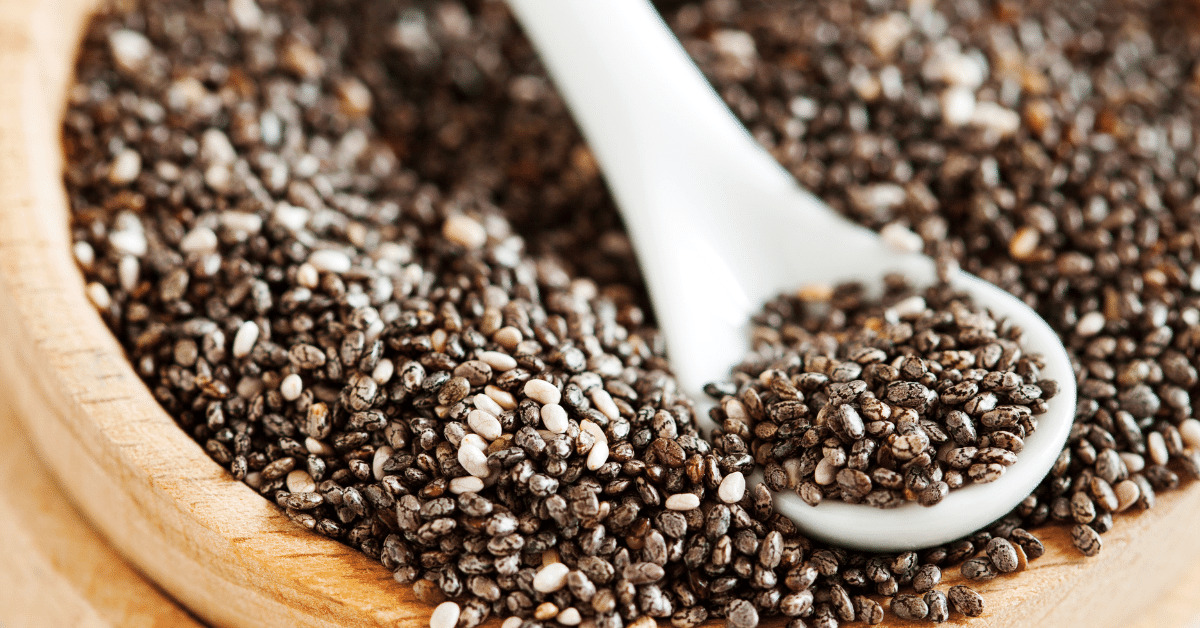
Chia seeds are one of the most functional foods in a detox-supportive diet — but not for the reasons most wellness content suggests. As a functional medicine practitioner and licensed pharmacist, I use chia seeds therapeutically because of their unique combination of soluble fiber, omega-3 fatty acids, antioxidants, and mineral content — all of which support the body’s actual detoxification systems. This isn’t about a “chia seed cleanse.” It’s about understanding what chia seeds do mechanistically in the gut, liver, and at the cellular level — and using them intentionally as part of a genuine detox-supportive nutrition strategy.
Do Chia Seeds Actually Detox Your Body?
Yes — but with an important clarification about what “detox” actually means physiologically. Your body detoxifies continuously through four primary pathways:
Liver Phase 1 and Phase 2 detoxification — converting fat-soluble toxins into water-soluble compounds for elimination
Gut elimination — bile-bound toxins and waste products are transported through the intestines and excreted via stool
Kidney filtration — water-soluble compounds are filtered from blood and excreted via urine
Lymphatic drainage — immune waste and cellular debris are transported and processed through the lymphatic system
Chia seeds support all four pathways — primarily through their fiber content, antioxidant load, and omega-3 fatty acids. Here’s the specific mechanism for each.
Good Source of Fiber — The Core Detox Mechanism
Chia seeds contain approximately 10g of fiber per ounce — one of the highest fiber densities of any food. This fiber is split between soluble and insoluble forms, each playing a distinct role in detoxification:
Soluble fiber forms a gel matrix in the digestive tract that binds to bile acids — the liver’s primary vehicle for excreting processed toxins, excess hormones, and metabolic waste. By binding to bile acids in the gut, chia seed fiber prevents their reabsorption and escorts them out of the body. This is particularly relevant for estrogen detoxification — excess estrogen is cleared through bile, and soluble fiber is what ensures it doesn’t recirculate.
Insoluble fiber adds bulk and supports gut motility — keeping waste moving through the colon efficiently rather than allowing it to sit and potentially reabsorb. Constipation is one of the primary drivers of toxin recirculation, and chia seeds directly address this through both hydration and mechanical bulk.
Chia seeds can absorb up to 30 times their weight in water — forming a gel that hydrates the colon, lubricates the mucous membranes, and supports smooth, complete elimination. This hydration effect is most powerful when chia seeds are soaked before consuming — pre-hydrated chia gel is gentler on the digestive system than dry seeds added to food.
Rich in Antioxidants — Cellular Detox Support
Chia seeds contain chlorogenic acid, caffeic acid, quercetin, and kaempferol — antioxidants that protect cells from oxidative damage during the detoxification process itself.
This matters because Phase 1 liver detoxification generates reactive intermediates that are temporarily more toxic than the original compounds. Antioxidants neutralize these intermediates before they can cause cellular damage — making the detox process safer and more complete.
Quercetin in particular — one of the antioxidants found in chia seeds — has documented anti-inflammatory properties that reduce the inflammatory burden associated with toxic load. From a pharmacist’s perspective, quercetin inhibits the same inflammatory enzymes targeted by NSAIDs, without the gastrointestinal side effects.

Omega-3 Fatty Acids — The Anti-Inflammatory Detox Amplifier
This is the chia seed property most often overlooked in detox discussions. Chia seeds are one of the richest plant sources of ALA (alpha-linolenic acid) — an omega-3 fatty acid that reduces systemic inflammation and supports liver cell membrane integrity.
The liver’s detoxification capacity is directly impaired by chronic inflammation. High inflammatory load from poor diet, stress, environmental toxins, or gut dysbiosis creates a competing demand on liver resources — reducing the capacity available for active toxin processing. Omega-3 fatty acids reduce this inflammatory burden and free up liver resources for detoxification.
Additionally, omega-3s from chia seeds support the integrity of cell membranes throughout the body — including the gut lining. A healthy gut barrier is essential for preventing toxin recirculation (leaky gut allows partially processed toxins to reenter the bloodstream before elimination). Note: ALA from plant sources must be converted to EPA and DHA for full omega-3 benefit. This conversion is limited in many people. While chia seeds provide meaningful ALA, combining them with wild-caught fatty fish for direct EPA and DHA provides the most complete omega-3 support.
How to Use Chia Seeds for Maximum Detox Benefit
The way you consume chia seeds significantly affects their detox efficacy:
Soaked vs dry — always soak chia seeds before eating for detox purposes. Dry chia seeds expand in your digestive tract by absorbing water — which can cause digestive discomfort and dehydration if you’re not drinking enough water. Pre-soaked chia gel (2 tablespoons in 6 oz water for 10–15 minutes) delivers the full hydration and fiber benefit without digestive stress.
Timing — consuming chia seeds at breakfast supports the liver’s natural morning detox activity. The liver’s Phase 1 and Phase 2 enzymes follow a circadian rhythm — morning light exposure activates detox pathways, and morning prebiotic fiber from chia seeds provides the substrate those pathways need.
Quantity — 1–2 tablespoons (10–20g) daily is the clinical target for meaningful fiber and omega-3 contribution. More is not necessarily better — excessive chia seed consumption can cause digestive distress, particularly for people with sensitive gut issues.
Combination — chia seeds work synergistically with other detox-supportive foods. Pairing with citrus (vitamin C enhances ALA conversion), leafy greens (additional fiber diversity), and fermented foods (microbiome support for bile acid metabolism) amplifies the detox benefit.
Chia Seeds and Hormone Detoxification
This is the most clinically relevant detox application of chia seeds in functional medicine practice — and the one most people don’t know about.
Estrogen is primarily cleared from the body through the liver and gut. After the liver processes estrogen through Phase 1 and Phase 2 detox pathways, it’s secreted into bile and transported to the gut for elimination. But if gut transit is slow, fiber is insufficient, or the gut microbiome is imbalanced — an enzyme called beta-glucuronidase deconjugates the processed estrogen, allowing it to be reabsorbed rather than eliminated.
This estrogen recirculation contributes directly to estrogen dominance — the pattern behind PMS, heavy periods, breast tenderness, bloating, and hormonal weight gain.
Chia seeds address this in two ways:
Soluble fiber binds to bile-conjugated estrogen in the gut and escorts it out before beta-glucuronidase can act on it
Regular, complete bowel movements from the insoluble fiber content reduce the transit time during which reabsorption can occur
For women dealing with estrogen dominance symptoms, daily chia seed consumption alongside a high-fiber diet is one of the most practical nutritional interventions available.
Recipes from our Kitchen
- Coconut Kefir Chia Seed Pudding
- Strawberry Chia Protein Pudding
- Chocolate Chia Protein Pudding
- Pomegranate Chia Seed Smoothie
- Triple Spice Chia Pudding
- Golden Glow Chia Pudding
Ready to feel refreshed, energized, and revitalized? Join Dr. Ryan for an upcoming detox program designed to help you reset your body, eliminate toxins, and boost your overall wellness. With expert guidance, personalized support, and proven strategies, you’ll unlock a healthier, more vibrant you. Don’t wait—your detox journey starts here!. Click here for more details.
FAQs
You've got questions? We have answers!
Yes — chia seeds support multiple detoxification pathways. Their soluble fiber binds to bile acids and excess hormones in the gut preventing reabsorption and supporting elimination. Their insoluble fiber supports gut motility and complete bowel movements which is essential for toxin excretion. Their antioxidants protect cells during the liver’s detox process. And their omega-3 content reduces the inflammatory burden that impairs liver detox capacity.
Chia seeds support complete, regular bowel elimination through their combination of soluble fiber (which absorbs water and softens stool) and insoluble fiber (which adds bulk and promotes gut motility). Pre-soaking chia seeds before consuming amplifies this effect. Most people notice improved bowel regularity within 3–5 days of daily chia seed consumption.
1–2 tablespoons (10–20g) daily is the practical target for meaningful detox support. Start with 1 tablespoon and increase gradually if you’re new to high-fiber foods. Always consume with adequate water — at least 8oz per tablespoon of chia seeds.
Yes — chia seeds support liver detoxification in two ways. Their antioxidants protect liver cells during Phase 1 detoxification when reactive intermediates are generated. Their omega-3 fatty acids reduce systemic inflammation that would otherwise compete with liver detox capacity. They also support gut elimination of bile-bound toxins processed by the liver.
Yes — chia seeds’ soluble fiber binds to bile-conjugated estrogen in the gut and supports its elimination before it can be reabsorbed. Combined with regular bowel movements from insoluble fiber content, daily chia seed consumption supports the gut’s estrogen clearance function — a key dietary intervention for estrogen dominance symptoms.