

Getting enough fiber on a paleo diet is easier than most people think — but only if you know which foods to focus on. As a functional medicine practitioner and licensed pharmacist, I see the downstream effects of insufficient fiber constantly in practice: poor gut motility, blood sugar instability, hormonal imbalances, and elevated cholesterol. The good news is that the paleo diet is actually fiber-rich by design — you just need to be intentional about it. This guide covers the best high-fiber paleo foods and 12 practical hacks to consistently hit your fiber targets without grains or legumes.
Understanding Fiber
What is Fiber?
Fiber is a type of carbohydrate that our bodies cannot digest. Unlike other carbohydrates that are broken down into sugar molecules, fiber passes through the digestive system intact. This undigested journey is what makes fiber so beneficial for various bodily functions.
What Does Fiber Do?
Fiber helps regulate the body’s use of sugars, maintaining blood sugar levels and keeping hunger in check. It also aids in digestion, prevents constipation, lowers cholesterol levels, and contributes to overall gut health.
Types of Fiber
Soluble Fiber: Dissolves in water to form a gel-like material, which can help lower blood cholesterol and glucose levels. Found in foods like apples, citrus fruits, carrots, and psyllium.

Insoluble Fiber: Promotes the movement of material through your digestive system and increases stool bulk, which can help those who struggle with constipation. Found in vegetables like broccoli, Brussels sprouts, and nuts.

Best Paleo Fiber Sources — Quick Reference
These are the highest-fiber paleo-friendly foods I recommend most in practice:
- Avocado — 10g fiber per cup, plus healthy fats that slow digestion
- Artichokes — 10g per medium artichoke, excellent prebiotic fiber
- Raspberries — 8g per cup, one of the highest-fiber fruits available
- Chia seeds — 10g per ounce, plus omega-3s and blood sugar support
- Flaxseeds — 8g per tablespoon when ground, also supports estrogen metabolism
- Broccoli — 5g per cup, plus sulforaphane for liver detox support
- Sweet potato — 4g per medium potato with skin, plus resistant starch
- Almonds — 3.5g per ounce, easy portable snack
- Brussels sprouts — 4g per cup, cruciferous fiber for gut health
- Coconut flour — 10g per 2 tablespoons, excellent for paleo baking
Functional medicine tip: Variety matters as much as volume. Different fiber types feed different gut bacteria — rotating your fiber sources supports a more diverse microbiome, which is foundational to hormone balance, immune function, and mental health.
Hacks to Increase Fiber Intake on a Paleo Diet
Hack 1: Learn Where Fiber is Found
Understanding where to find fiber within the Paleo framework is key. While the Paleo diet excludes grains and legumes, it offers plenty of fiber-rich options. Focus on incorporating a variety of fruits, vegetables, nuts, seeds, and root vegetables into your meals. Excellent sources of fiber on a Paleo diet include:
- Berries (raspberries, blackberries, strawberries)
- Avocados
- Broccoli
- Brussels sprouts
- Sweet potatoes
- Nuts and seeds (chia, flax, almonds)
Hack 2: Be Intentional – Set a Daily Fiber Goal
Setting a daily fiber goal can help ensure you’re getting enough fiber to support your health. Aim for 28-40 grams of fiber per day, which can be easily achieved by breaking it down into manageable amounts. For example, try to consume 7-10 grams of fiber with each meal and snack. This approach makes it easier to incorporate fiber throughout your day and ensures you meet your daily target without feeling overwhelmed. Planning your meals and snacks around fiber-rich foods can help you stay on track and make achieving your fiber goals a natural part of your routine.
Hack 3: Track Your Fiber Intake
Keeping track of your daily fiber intake can help you stay accountable and make adjustments as needed. By using a food diary or a nutrition app, you can log your meals and snacks to ensure you’re meeting your fiber goals. These tools can provide a clear picture of your fiber consumption and highlight areas where you might need to increase your intake. Additionally, tracking can help you identify which foods are contributing the most fiber to your diet and inspire you to explore new fiber-rich options. Consistent tracking not only helps you achieve your goals but also fosters a greater awareness of your overall dietary habits.

Hack 4: Add Berries to Breakfast
Berries are a delicious and high-fiber addition to your breakfast. Raspberries, blackberries, and strawberries are particularly fiber-rich. You can sprinkle them on top of your paleo-friendly granola, mix them into a smoothie, or enjoy them fresh. For an extra boost, try making a strawberry chia protein pudding. This nutritious option not only enhances your fiber intake but also provides a flavorful start to your day.
Hack 5: Smoothie Boosters Like Chia
Boost your smoothies with fiber-rich additions like chia seeds, flaxseeds, or psyllium husk. These tiny seeds can significantly increase the fiber content without altering the taste too much. Simply add a tablespoon to your morning smoothie for a quick fiber boost.
Hack 6: Fill Half Your Plate with Veggies
Aim to make half of your plate vegetables at every meal. This not only increases your fiber intake but also ensures you’re getting a wide range of vitamins and minerals. Choose a variety of colors and types to get the full spectrum of nutrients. For delicious and fiber-rich vegetable recipes, try these from our kitchen:
- Grilled Vegetables with Zesty Herb Dressing
- Roasted Lemon Asparagus with Pistachios
- Tossed Green Salad with Honey Mustard Dressing
- Warm Sweet Potato Pecan Salad
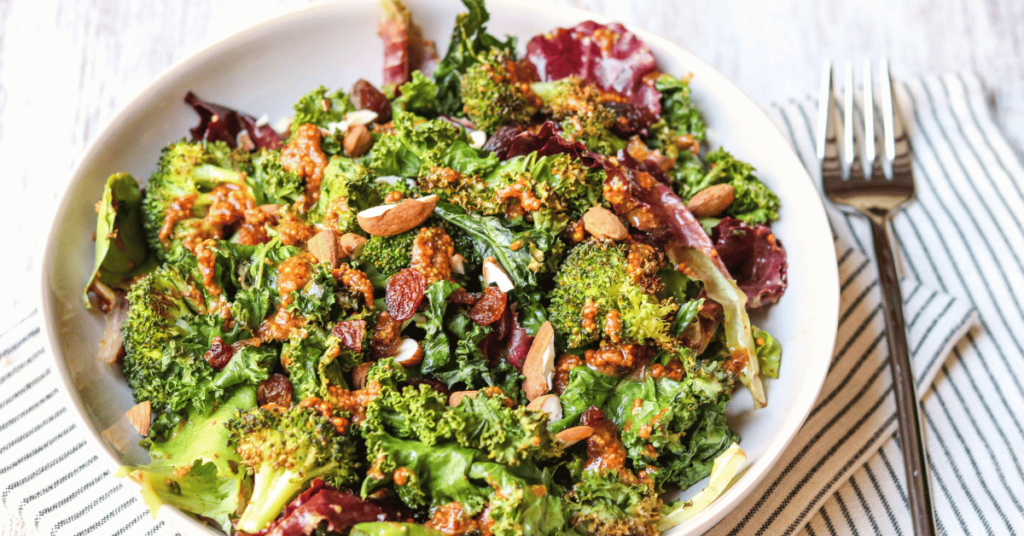
- Kale Broccoli Salad
Incorporating these recipes into your meals can help you effortlessly increase your fiber intake while enjoying a variety of tasty dishes.
Hack 7: Incorporate High-Fiber Paleo Snacks
Instead of grains and legumes, focus on high-fiber, Paleo-friendly snacks. Fresh fruit slices, veggie sticks, and nuts are excellent choices. For example, carrot sticks with guacamole can provide a satisfying and fiber-rich snack. Additionally, try our flaxseed crackers from the blog for a crunchy, fiber-rich option. These snacks not only keep you full between meals but also contribute to your overall fiber intake in a delicious and convenient way.

Hack 8: Keep Accessible Fruits and Veggies Ready to Go
Prep fruits and veggies ahead of time so they are easy to grab and eat. Having pre-washed and cut produce in your fridge makes it more likely you’ll reach for a fiber-rich snack when you’re hungry. Consider storing them in clear containers at eye level so they’re the first thing you see when you open the fridge. Create snack packs with a variety of veggies like carrot sticks, cucumber slices, and bell pepper strips. For fruits, prepare convenient options like apple slices, orange segments, and grapes.
You can also prepare individual servings of your favorite dips to pair with your fruits and veggies. For a delicious and fiber-rich dip, try our guacamole recipe. Having these ready-to-go options will make it easier to choose fiber-rich snacks throughout the day.

Hack 9: Mix in Nuts and Seeds
Nuts and seeds are great sources of fiber and can be easily incorporated into meals and snacks. Add them to salads, coconut yogurt, or eat them on their own. A handful of almonds or a sprinkle of flaxseeds on your salad can make a big difference in your fiber intake. For a delicious and convenient option, try our Nutty Trail Mix from the blog. This mix includes a variety of nuts and seeds, providing a tasty and fiber-rich snack that’s perfect for on-the-go. Including nuts and seeds in your diet not only boosts your fiber intake but also adds essential nutrients and healthy fats.
Hack 10: Have Frozen Veggies on Hand
Frozen vegetables are a convenient and nutritious option. They’re often flash-frozen at peak ripeness, preserving their fiber content and nutritional value. Having a variety of frozen vegetables in your freezer ensures you always have access to fiber-rich foods, even when fresh produce isn’t available or when you’re short on time. You can easily use them in soups, stews, stir-fries, and casseroles to boost your fiber intake. Additionally, frozen vegetables can be quickly steamed or microwaved for a fast and healthy side dish. Incorporating frozen vegetables into your meals helps ensure you meet your daily fiber goals with minimal effort.
Hack 11: Layer Your Meals with Fiber-Rich Foods
Creating meals that layer fiber-rich foods is a great way to increase your daily fiber intake while enjoying a variety of flavors and textures. Start with a base of leafy greens such as spinach, kale, or arugula, which are rich in fiber and essential nutrients. Add a variety of colorful vegetables like bell peppers, carrots, cucumbers, and tomatoes to boost the fiber content even further.
Incorporate healthy fats by adding slices of avocado, which also contribute to your fiber intake. Top your salad with a handful of nuts and seeds like almonds, walnuts, chia seeds, or flaxseeds for an extra fiber boost. For added protein and texture, you can include grilled chicken, shrimp, or hard-boiled eggs. Layering these ingredients not only enhances the fiber content of your meals but also makes them more satisfying and nutritious.
Hack 12: Supplement If Necessary
If you’re struggling to meet your fiber goals through food alone, consider a fiber supplement. Options like psyllium husk or inulin can help you reach your daily fiber intake. However, it’s always best to aim for whole food sources first, as they provide additional nutrients that supplements might lack.
Why Fiber Matters Beyond Digestion — A Functional Medicine Perspective
Most people think of fiber purely for constipation relief. But in functional medicine, fiber is one of our most powerful therapeutic tools:
- Hormone balance: Fiber binds to excess estrogen in the gut and escorts it out of the body. Low fiber intake is one of the most common dietary contributors to estrogen dominance — a pattern I see frequently in women with PMS, fibroids, and weight resistance.
- Blood sugar regulation: Soluble fiber slows glucose absorption, reducing insulin spikes. For patients managing insulin resistance or metabolic syndrome, increasing fiber is often more impactful than reducing calories.
- Gut microbiome: Fiber is the primary food source for your beneficial gut bacteria. A low-fiber diet starves the microbiome, reducing production of short-chain fatty acids that protect the gut lining and regulate inflammation.
- Adrenal support: Blood sugar stability directly reduces cortisol demand. Every blood sugar crash triggers a cortisol response — fiber-rich meals that slow glucose absorption reduce this adrenal burden throughout the day.
- Cholesterol and cardiovascular health: Soluble fiber binds to bile acids and cholesterol in the digestive tract, reducing reabsorption and supporting healthy cholesterol levels
Increasing your fiber intake on a Paleo diet doesn’t have to be challenging. By incorporating these simple hacks into your daily routine, you can easily boost your fiber consumption and enjoy the numerous health benefits it offers. Remember, gradual changes are key to sustaining a high-fiber diet, so start small and build up over time. Your digestive system, blood sugar levels, and overall health will thank you!
Frequently Asked Questions
- What are the best fiber sources on a paleo diet? The highest-fiber paleo foods include avocado, chia seeds, flaxseeds, artichokes, raspberries, broccoli, sweet potato with skin, almonds, Brussels sprouts, and coconut flour. Focusing on a variety of these foods daily makes hitting 28-40g of fiber per day achievable without grains or legumes.
- How much fiber should you eat on a paleo diet? The general target is 28-40g per day. A practical approach is aiming for 7-10g of fiber per meal across three meals. Most people eating a well-constructed paleo diet with plenty of vegetables, fruits, nuts, and seeds can hit this target without tracking every gram.
- Is it hard to get enough fiber on paleo? Not if you’re eating a variety of vegetables, fruits, nuts, and seeds. The challenge usually comes when paleo eating becomes too protein and fat heavy without enough plant variety. Adding half an avocado, a tablespoon of chia seeds, or an extra serving of broccoli to daily meals makes a significant difference.
- Does fiber help with hormones on a paleo diet? Yes — this is one of the most underappreciated benefits of fiber in functional medicine. Adequate fiber supports estrogen clearance through the gut, stabilizes blood sugar which reduces cortisol demand, and feeds the gut bacteria that produce neurotransmitters and short-chain fatty acids involved in hormonal signaling.
- What is the best way to increase fiber on paleo without digestive discomfort? Increase fiber gradually — adding one new high-fiber food per week gives your gut microbiome time to adapt. Drinking adequate water is essential as fiber absorbs water in the digestive tract. Starting with cooked vegetables rather than raw can also reduce initial digestive adjustment.
Reference
Dietary fiber: Essential for a healthy diet. Mayo Clinic [Link]