
Sometimes it feels like there are only two options when it comes to eating: obsess over numbers or just grab whatever’s easy. But when it comes to supporting your hormones, it doesn’t have to be rigid or complicated.
In functional medicine, food is information — every bite sends a signal that can either support or disrupt hormone balance. Instead of focusing on calories or macros, try this question instead:
“What would leave me feeling balanced, focused, and nourished a few hours from now?”
Here’s how to build that kind of plate:
1. Start with Color + Phytonutrients
Fill about half your plate with a variety of vegetables and leafy greens.
The more color, the broader the range of phytonutrients — compounds that reduce inflammation, support liver detox pathways, and promote healthy estrogen metabolism.
Think: cruciferous vegetables like broccoli, cauliflower, and kale for liver support; deep orange veggies for carotenoids; and purple foods like cabbage or beets for antioxidant power.
Functional medicine tip: Rotate your veggies through the week to diversify your microbiome — the gut-hormone connection is real, and microbial diversity supports hormone balance.
Recipes from our Kitchen

2. Prioritize Protein (at least 30g per meal)
Protein provides the amino acids your body needs to make peptide hormones (like insulin and growth hormone) and to support detoxification and repair.
Choose high-quality sources that align with your values and digestion: wild-caught salmon, pasture-raised poultry, grass-fed beef, organic eggs, or plant-based options like lentils.
Functional medicine tip: If you struggle with blood sugar crashes or PMS cravings, start your meal with protein — it helps steady glucose and cortisol levels throughout the day.
Recipes from our Kitchen

3. Add Healthy Fats — the Hormone Builders
Cholesterol and essential fatty acids are literally the raw materials for hormone production.
Think avocado, extra-virgin olive oil, chia or flax seeds, grass-fed butter, or wild-caught fish. These fats also slow digestion, keeping blood sugar and mood more stable.
Functional medicine tip: Include omega-3s daily — EPA and DHA support anti-inflammatory pathways and may improve menstrual and thyroid balance.
Recipes from our Kitchen
4. Include Slow Carbs for Steady Energy
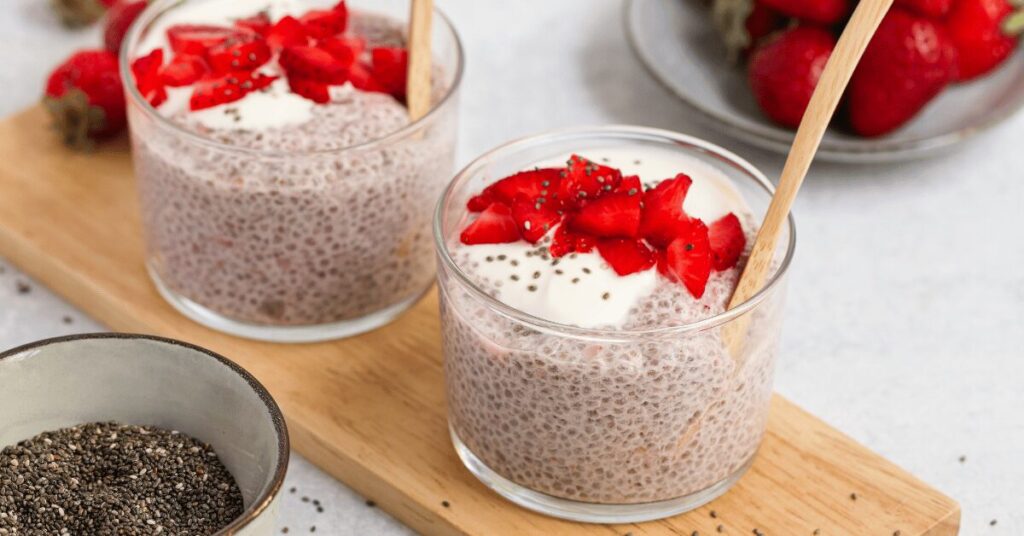
Whole-food carbohydrates like roasted sweet potatoes, quinoa, wild rice, or berries provide glucose for energy without the spike-and-crash.
Stable blood sugar means balanced insulin, and balanced insulin is essential for balanced estrogen, progesterone, and testosterone.
Functional medicine tip: Pair carbs with protein and fat to blunt the glucose response. For those with PCOS or insulin resistance, test different carb portions and timing to see what keeps you feeling clear and steady.
Recipes from our Kitchen

5. Tune In: Your Body Is the Data
Functional medicine is all about personalization. Notice how you feel after eating:
- Do you feel calm, focused, and satisfied?
- Or do you feel bloated, wired, or craving sugar soon after?
Those clues tell you how well your current balance is serving your biochemistry. Keep what works, tweak what doesn’t.
You don’t have to get it perfect — hormones respond to consistency, not perfection.
By eating in a way that honors your body’s signals, supports detox and gut health, and keeps your blood sugar steady, you’re already doing deep hormone work at every meal.
Ready to See Where Your Hormones Stand?
If you’re wondering how your own hormone rhythms are functioning — and whether stress, sleep loss, or lifestyle shifts might be throwing things off — here’s an easy next step.
👉 Take the “How Balanced Are Your Hormones?” Quiz here»
You’ll receive a free, personalized 13-page hormone report that explores eight key hormone systems through a functional medicine lens, including:
✅ A snapshot of your current hormone balance
✅ Insights into your energy, mood, sleep, metabolism, and reproductive health
✅ Functional medicine–based guidance to help you begin rebalancing naturally
Think of it as your roadmap back to alignment — helping you understand your body’s signals, restore hormonal harmony, and feel more clear, steady, and strong from the inside out.
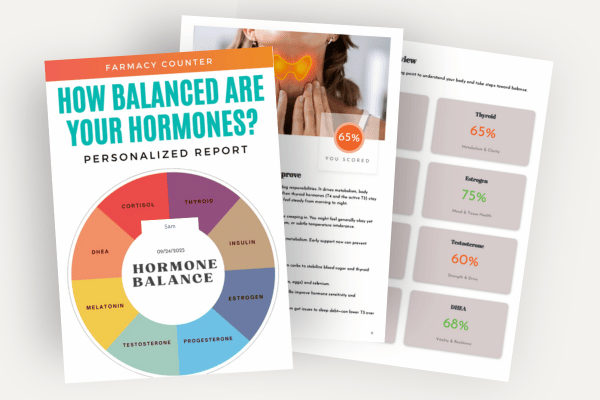
How Balanced are Your Hormones?
Take our 3-minute quiz to discover your unique hormone balance—and get a personalized 13-page report with insights and actionable steps to support energy, mood, sleep, metabolism, and reproductive health.