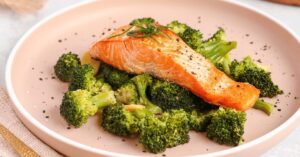

High protein paleo foods don’t have to be expensive — and as a functional medicine practitioner and licensed pharmacist, I want to be clear that food quality matters more than food cost. The six sources in this guide are among the most nutrient-dense, protein-rich, paleo-compatible foods available — and they happen to be some of the most affordable. Whether you’re managing blood sugar, supporting hormone production, healing your gut, or simply trying to hit your daily protein targets without overspending, these are the foods I recommend most consistently in clinical practice. Each one includes recipes from our kitchen so you can put them to work immediately.
Why High Protein Paleo Foods Matter — A Functional Medicine Perspective
In functional medicine, protein is foundational — not optional. Here’s what adequate protein from high-quality paleo sources actually does for your body:
Hormone production — every hormone in your body is built from raw materials that come from food. Amino acids from protein are precursors to thyroid hormones, sex hormones, adrenal hormones, and neurotransmitters. Low protein is one of the most overlooked dietary contributors to hormonal dysfunction.
Blood sugar stability — protein at every meal slows glucose absorption, reduces insulin spikes, and stabilizes energy throughout the day. This is one of the simplest interventions for people dealing with afternoon crashes, cravings, and metabolic weight resistance.
Gut barrier integrity — specific amino acids including glutamine (abundant in bone broth) and glycine (from collagen-rich sources) are the primary fuel for intestinal epithelial cells. Adequate protein literally rebuilds the gut lining.
Immune function — antibodies, T-cells, and every other immune component are protein structures. Chronic low protein intake directly impairs immune resilience.
Muscle preservation — particularly critical after 40, when muscle protein synthesis efficiency declines. Adequate high-quality protein is the single most evidence-supported dietary intervention for preserving muscle mass and metabolic rate with age.
The six foods below deliver all of this — at a fraction of the cost of most “functional medicine” supplements.

1. Eggs: Nature’s Nutritional Powerhouse
Eggs are perhaps the most perfect protein package available. Rich in essential amino acids, vitamins, and minerals, they’re incredibly versatile and budget-friendly.
Protein Content: Approximately 6-7 grams per large egg
Recipes from Our Kitchen:

2. Canned Sardines: The Omega-3 Protein Punch
Often overlooked, sardines are nutritional giants. They’re packed with protein, omega-3 fatty acids, and calcium, making them a functional medicine superfood.
Protein Content: Approximately 22 grams per 3.75 oz can
Recipes from Our Kitchen:

3. Chicken Thighs: Flavor and Nutrition Combined
Chicken thighs are more affordable than breasts, with added benefits of more nutrients and better flavor. They’re perfect for those following a paleo lifestyle.
Protein Content: Approximately 10 grams per 3 oz serving
Recipes from Our Kitchen:

4. Ground Turkey: The Lean Protein Champion
Ground turkey is an incredibly versatile, lean protein source that’s both budget-friendly and paleo-approved. With its mild flavor and high protein content, it’s a go-to for those seeking nutritious, affordable meals.
Protein Content: Approximately 22 grams per 3 oz serving
Recipes from Our Kitchen:

5. Bone Broth: Liquid Gold for Healing
While not a traditional protein source, bone broth is rich in amino acids and supports gut health, joint function, and overall healing.
Protein Content: Approximately 10 grams per cup
Recipes from Our Kitchen:

6. Mackerel: The Forgotten Fish Protein
Similar to sardines, mackerel is an affordable, omega-3-rich fish that provides exceptional protein and nutrients.
Protein Content: Approximately 20 grams per 3 oz serving
Recipes from Our Kitchen:
How to Build a High Protein Paleo Day on a Budget
Here’s how to combine these six sources into a practical, affordable day that hits 100g+ of protein:
Breakfast: 3 pastured eggs scrambled with vegetables — 18g protein, under $1.50
Lunch: 1 can sardines or mackerel over mixed greens with olive oil and lemon — 20–22g protein, under $3.00
Afternoon snack: 1 cup bone broth — 10g protein, under $1.50 (especially useful between meals for gut support and satiety)
Dinner: 6oz chicken thighs or ground turkey with roasted vegetables — 30–38g protein, under $4.00
Daily total: approximately 80–90g protein for under $10 in food costs. Add 2 eggs at breakfast or an extra chicken thigh at dinner to push past 100g.
Tip: distribute protein across all three meals rather than concentrating it at dinner — your body can only optimally utilize 30–40g per meal for hormonal and structural purposes.
Free Paleo Protein Recipe Pack
Ready to transform these protein sources into delicious, healing meals? Download our FREE Paleo Protein Recipe Pack featuring 42 delicious recipes that will revolutionize your approach to food as medicine!
FAQs
You've got questions? We have answers!
The most protein-dense paleo foods are wild game meat, grass-fed beef, free-range chicken breast, wild-caught salmon, ground turkey, canned sardines, and mackerel. For budget- conscious paleo eating, eggs, chicken thighs, canned sardines, ground turkey, mackerel, and bone broth provide exceptional protein density at low cost.
Yes — eggs are one of the most complete, bioavailable protein sources available on any diet. Each large egg provides 6–7g of protein alongside choline, B vitamins, and healthy fats. Two eggs at breakfast provides 12–14g of high-quality protein for under $1.
Yes — canned sardines, mackerel, salmon, and tuna are all paleo-compatible and represent some of the most cost-effective protein sources available. Look for options packed in water or olive oil rather than vegetable or soybean oil.
Bone broth is not a complete protein — it lacks sufficient amounts of all essential amino acids. However it’s rich in glycine, proline, and hydroxyproline — amino acids that support gut barrier integrity, joint health, and skin collagen. It’s best used as a protein supplement alongside complete protein sources rather than as a primary protein source.
Most adults benefit from 0.7–1g of protein per pound of body weight daily. For a 150-pound person that’s 105–150g per day — achievable on paleo with three moderate servings of animal protein. See our complete guide to hitting 100g of protein on paleo for a detailed breakdown.